Advanced engineering materials designed to meet the rigorous geotechnical demands of Northern Vietnam's maritime hub.
Hai Phong, Northern Vietnam’s primary maritime and logistical gateway, features a unique geological profile dominated by deltaic alluvium, tidal estuaries, and highly compressible soft marine clays. Key projects, such as the expansions in Dinh Vu, Lach Huyen Deep Sea Port, and the industrial zones of Cat Hai, continually grapple with high water tables, low shear strength, and rapid soil settlement.
For civil engineering and port construction in these areas, structural integrity relies on proper soil consolidation and separation. Standard untreated subgrades quickly succumb to intermixing, localized shear failures, and lateral spreading under load. High-tensile non-woven and woven geotextiles act as vital separation, filtration, and stabilization barriers, accelerating pore water dissipation while maintaining aggregate integrity.
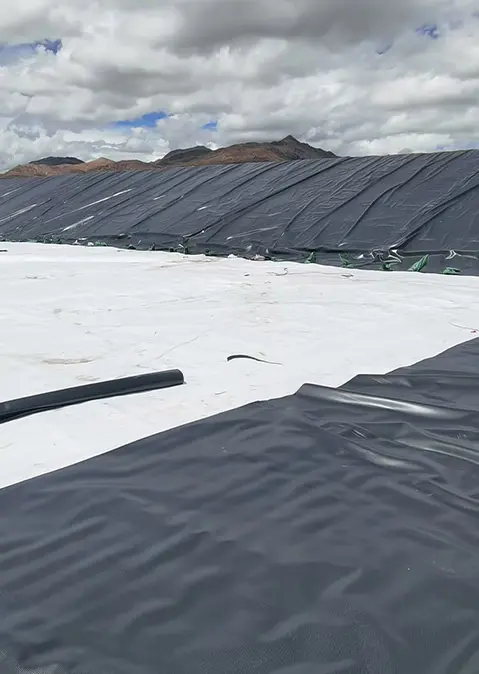
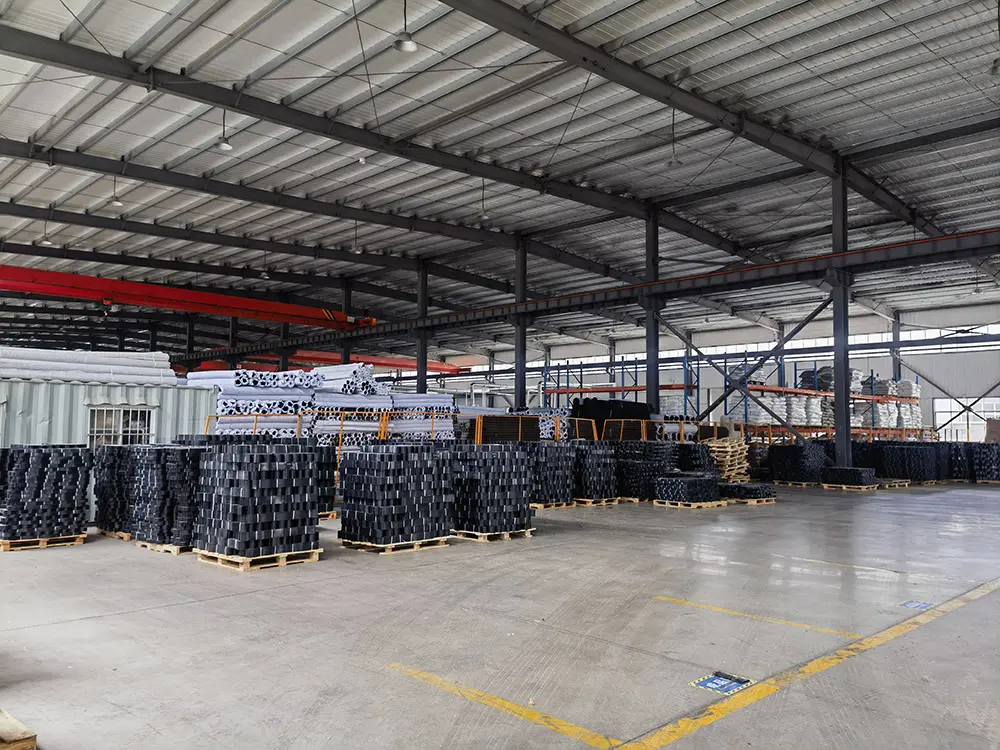
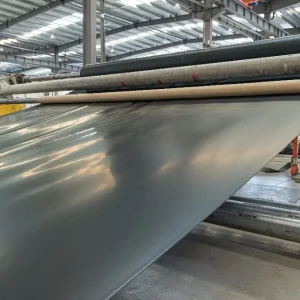
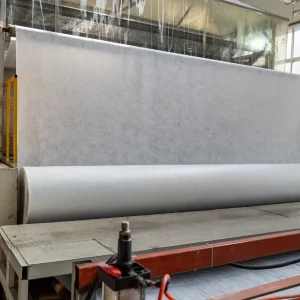
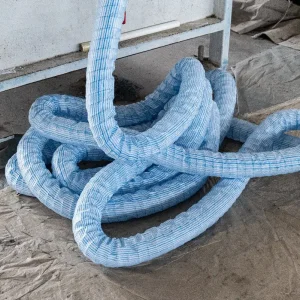
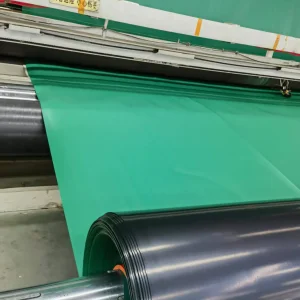
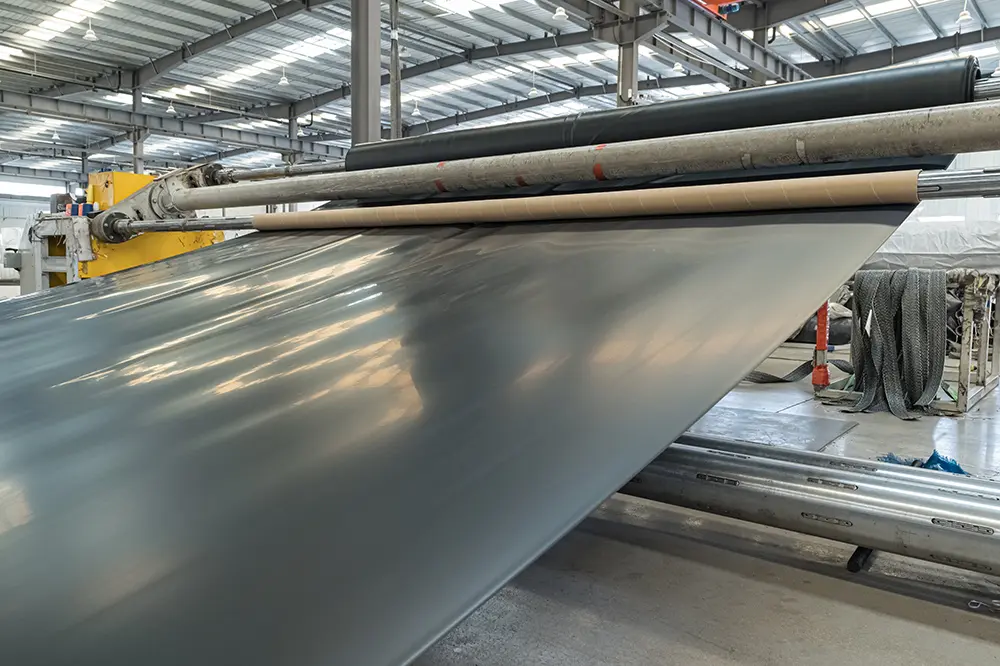
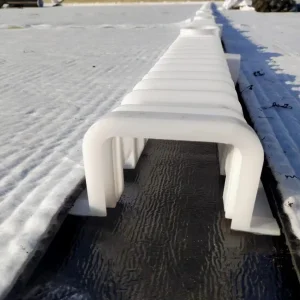
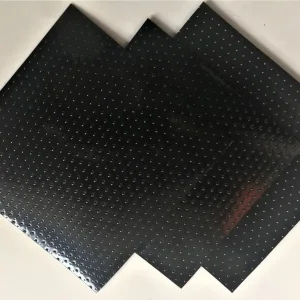
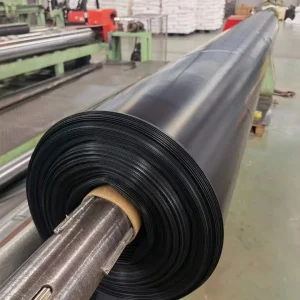
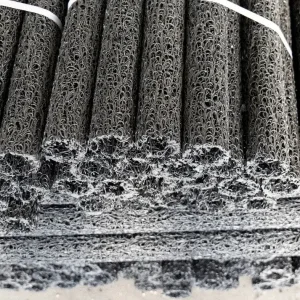
As an industry leader in geosynthetics, we specialize in high-capacity production and engineering solutions. Our product range includes smooth geomembranes, textured geomembranes, double-color geomembranes, and specialized geotextiles (such as polyester short-fiber non-woven fabric, polyester long-fiber filament non-woven fabric, polypropylene short-fiber non-woven fabric, and hot-rolled non-woven fabric). We also manufacture drainage boards, drainage nets, geogrids, geocells, flexible permeable pipes, and plastic blind drains to meet diverse civil and environmental requirements.
Our manufacturing and processing units operate under ISO 9001, ISO 14001, and OHSAS 18001 certifications. Backed by a stable raw material supply chain and custom-engineered formulas, we tailor high-density polyethylene (HDPE), low-density polyethylene (LDPE), ethyl vinyl acetate (EVA), and ethylene copolymer bitumen (ECB) configurations to project-specific performance criteria.
Our technical team comprises 3 chief chemical process engineers, 5 mechanical design engineers, and 9 professional equipment operations engineers, boasting decades of combined experience in high-performance polymer extrusions.
Our raw materials undergo strict index matching. From feedstock selection through final roll winding, our state-of-the-art laboratory monitors multi-axial tensile strength, tear resistance, and hydraulic flow characteristics.
We configure custom polymer blends (including UV stabilizers, carbon black ratios, and heat aging protection packages) to withstand high-solar radiation and coastal salinity indexes typical of Hai Phong.
Engineered applications safeguarding civil works, containment projects, and marine infrastructure.
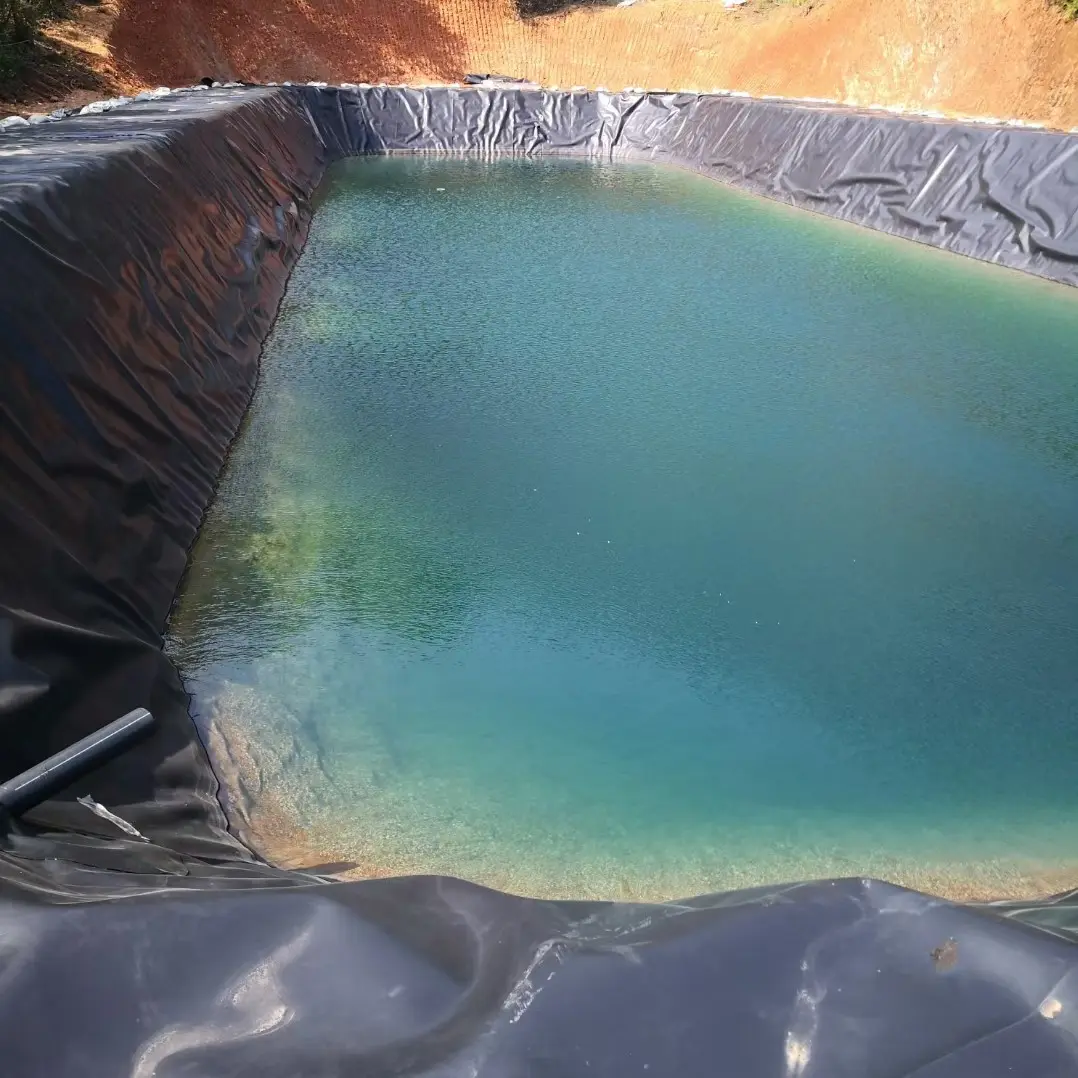
Seepage barrier lining for industrial wastewater basins, biogas digesters, solid municipal landfills, and fly ash retention reservoirs at regional thermal power plants.
Reinforcement and separation layers for port stack yards, logistics park access highways, and rail links under high dynamic cyclic wheel loading.
Erosion control blankets and filter linings for sea walls, estuarine embankments, and dock structures, mitigating soft soil washing under wave action.
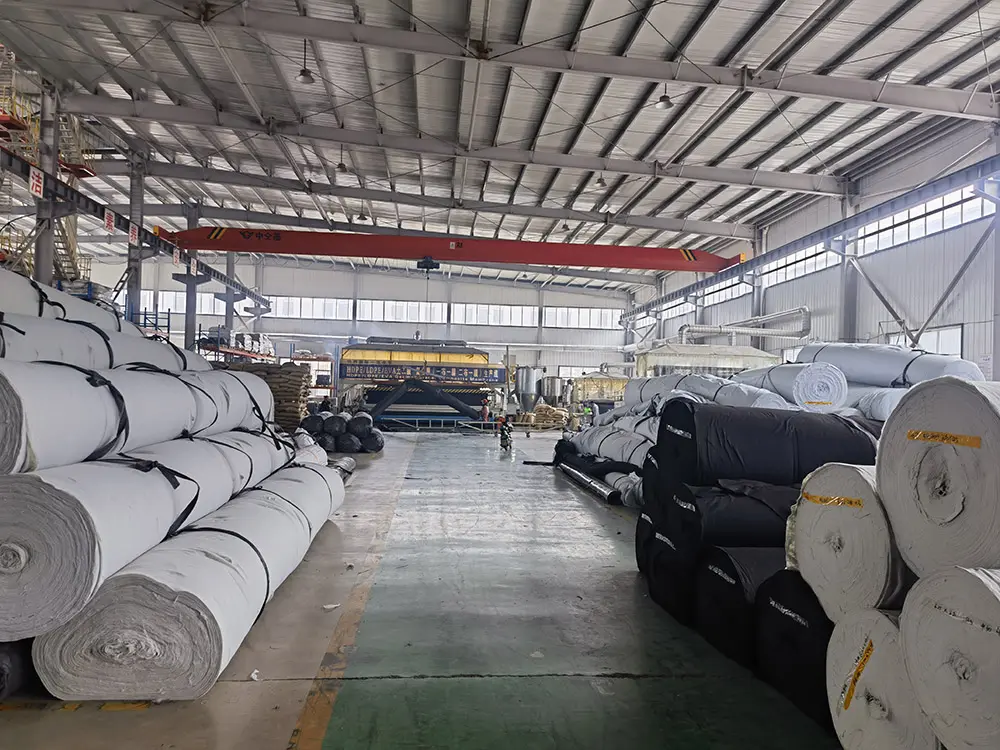
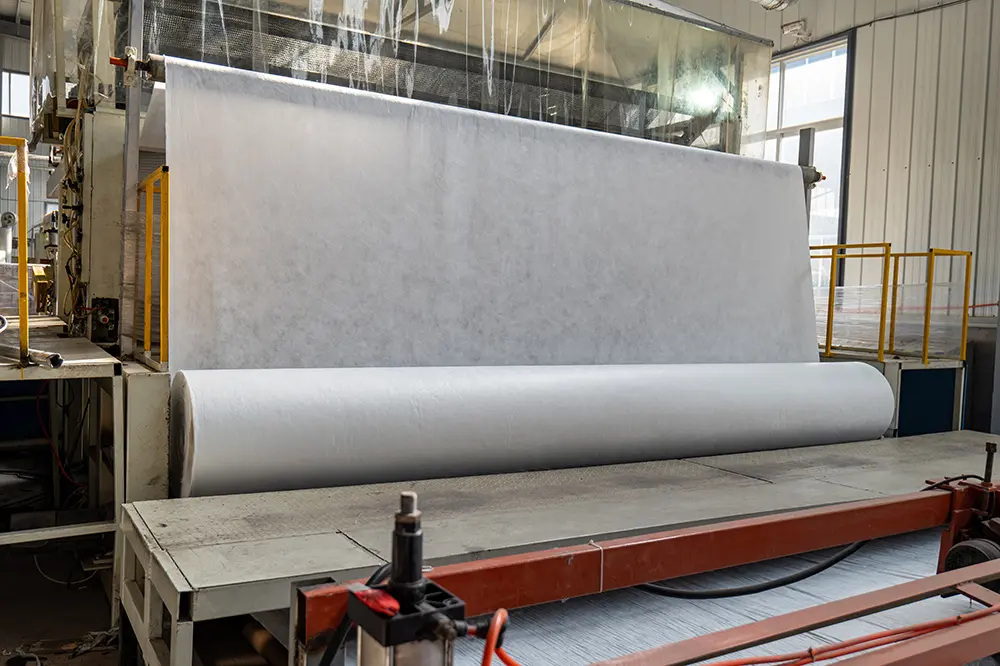
In coastal zones, consolidation velocity directly impacts engineering timelines. Standard consolidation without vertical drains and high-flow filtration geotextiles can take years. By integrating geotextile filtration with plastic blind drains, water is channeled out of soft marine clay formations quickly.
Additionally, coastal reclamation requires a high interfacial friction angle to prevent slope failure along sliding planes. Our textured (rough-surface) geomembranes and geogrids improve structural stability. By utilizing high-molecular-weight raw materials, our products are engineered to resist chemical attacks in soils contaminated with industrial waste or high salt concentration.
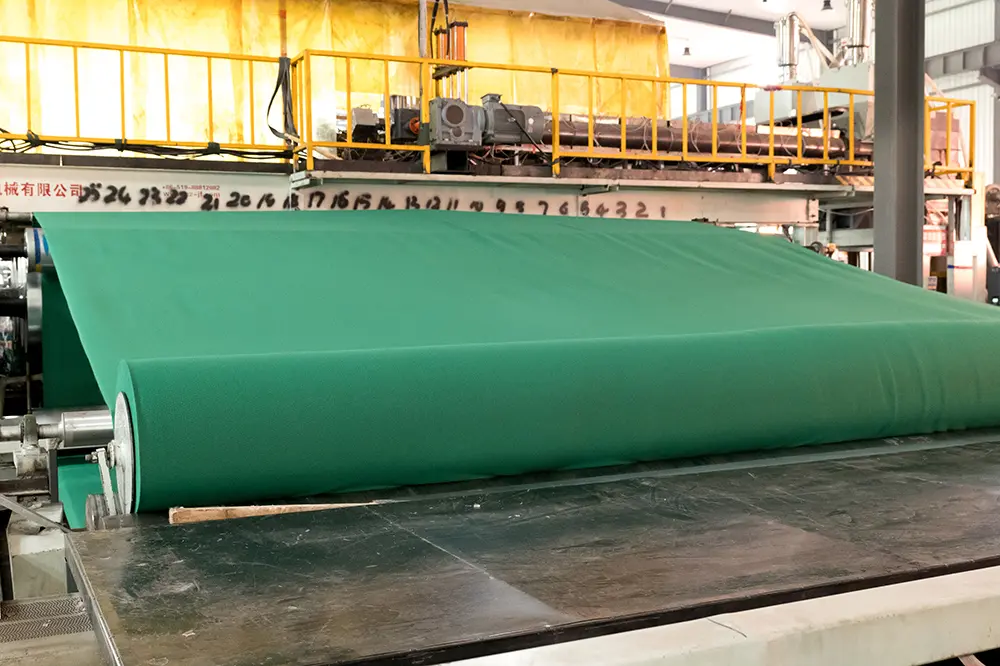
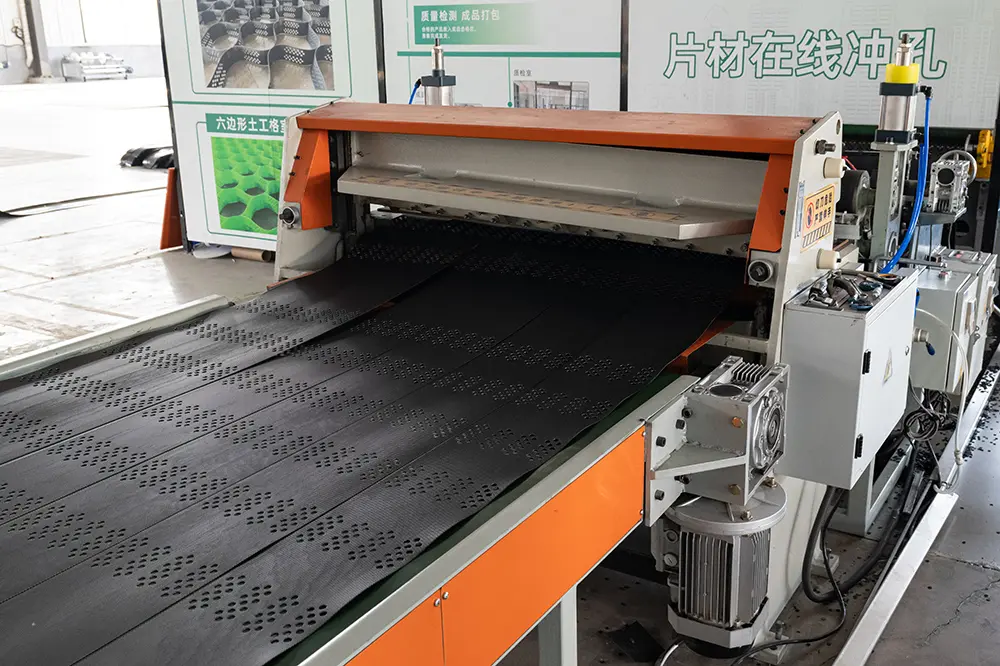
A full range of certified engineering materials for global containment, drainage, and soil reinforcement projects.
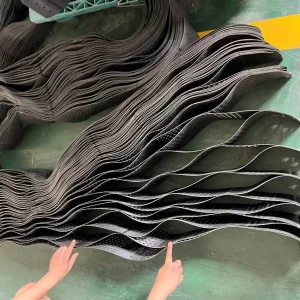
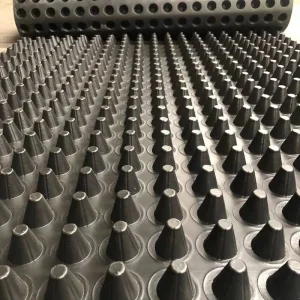
Proven reinforcement and lining installations across civil and infrastructure sectors.
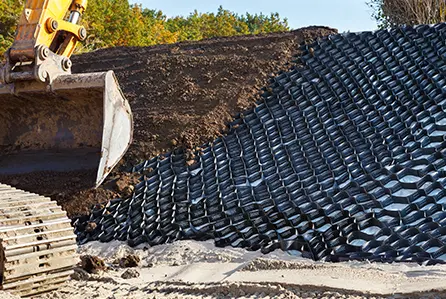
Reinforcing soft alluvial channels using high-strength filtration geotextiles. The installation prevented sediment washout under tidal fluctuations while maintaining water flow, stabilizing the structural slope.
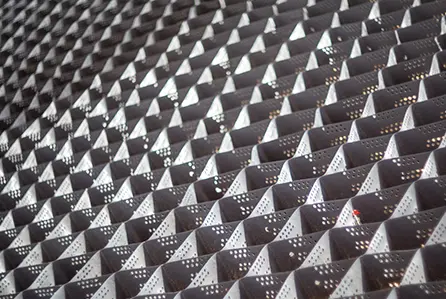
Heavy duty non-woven isolation geotextiles applied under logistics highway corridors. By separating soft marine clay from aggregate layers, the design mitigated subgrade intrusion and minimized long-term roadway rutting.
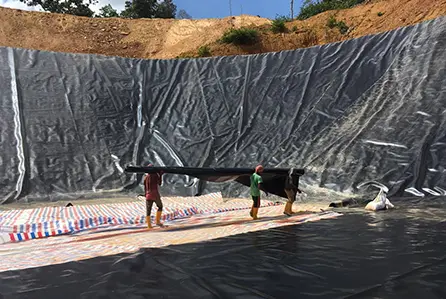
Utilizing high-density smooth HDPE liners in wastewater treatment ponds to prevent hazardous run-off seepage. The installation protects adjacent agricultural lands from industrial chemical infiltration.
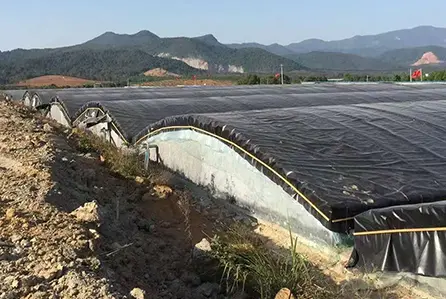
Deploying specialized polymer films to maintain internal thermal dynamics. The material provides UV filtration and physical barrier properties to protect regional crops from extreme coastal weather fluctuations.
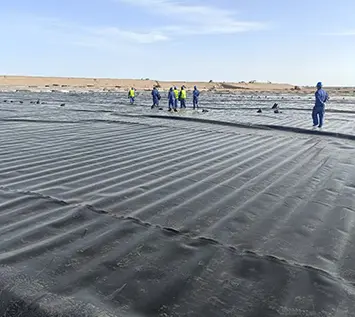
Technical guidance on selecting and deploying geosynthetics in marine and deltaic zones.
In highly fluid, soft marine clays typical of Hai Phong, filtration dynamics are critical. Needle-punched non-woven geotextiles offer a complex three-dimensional pore structure. This delivers superior pore water permeability while trapping fine clay sediments. Woven split-film geotextiles have higher tensile strength but can blind or clog easily when contact is made with fine silts, trapping water and causing structural instability. Filament non-woven products balance permeability with structural strength, preventing aggregate contamination under dynamic traffic load profiles.
Containment systems in proximity to chemical plants require strict compliance metrics. Key parameters include thickness (typically > 1.5mm to meet GM13 standards), high chemical resistance (verified via long-term oven aging and HP-OIT tests), and low permeability (permeability coefficient down to 10^-13 cm/s). Textured configurations are specified for sloped containment walls to prevent soil slip along the liner interface.
Hai Phong experiences high ambient temperatures, heavy rainfall, and direct UV radiation. Untreated polymers can undergo photo-oxidative degradation, weakening the molecular chains. Our products are formulated with premium carbon black (2.0% to 3.0% concentration) and specialized HALS (Hindered Amine Light Stabilizers) to prevent UV degradation, offering a design life exceeding 50 years under buried coastal conditions.
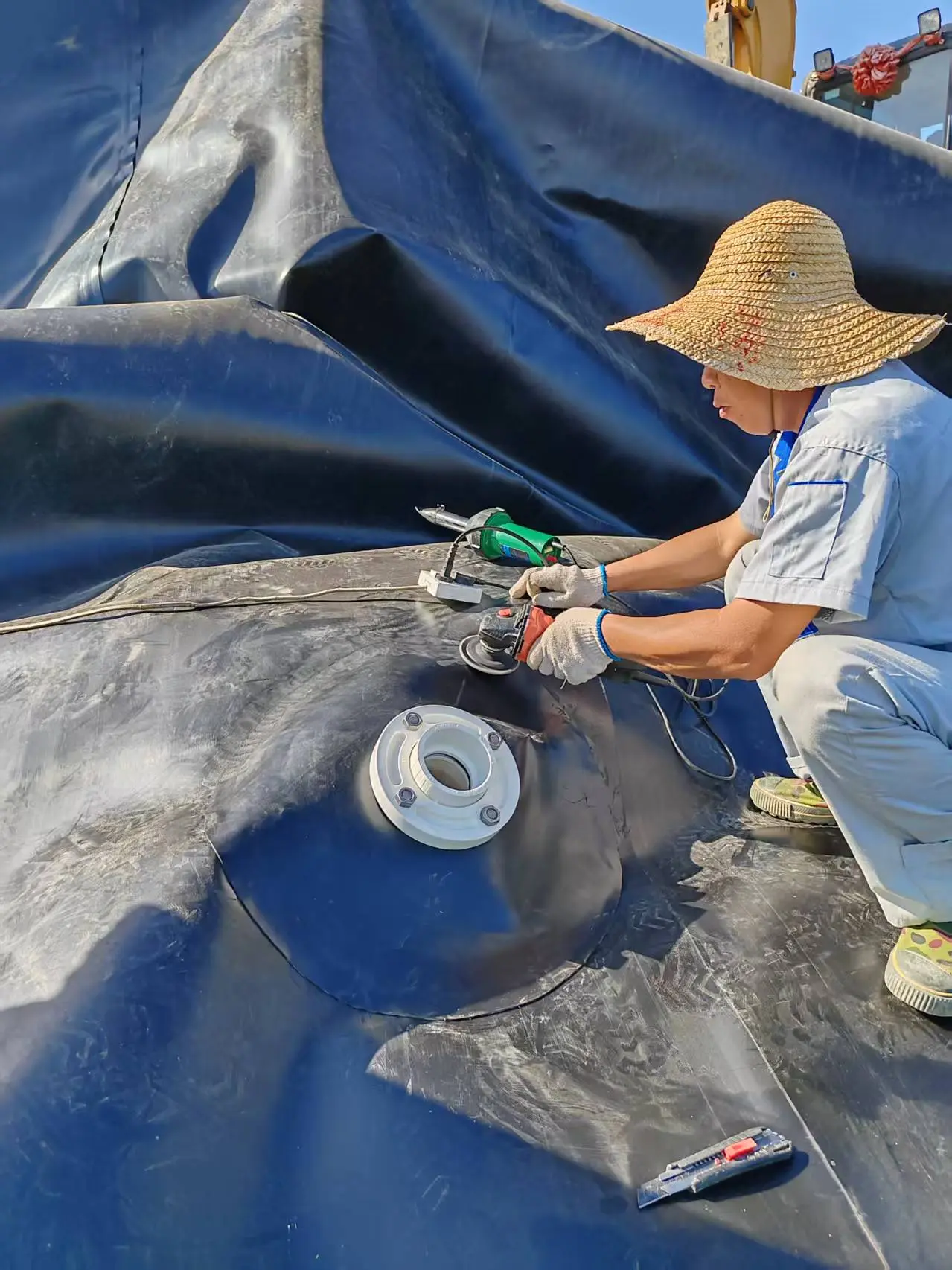
Seaming is a critical step in geomembrane installation. We recommend double-track hot wedge welding, which creates an air channel for non-destructive pressure testing. The channel is pressurized to verify seal integrity over time. For tight junctions, extrusion welding using matching polymer rods ensures uniform material integration.
Yes, one of the primary benefits of geocells is the three-dimensional confinement of local fill materials. In coastal sand-rich environments, filling geocell pockets with sand creates a stable, flexible gravity barrier. For vegetated slopes, filling with topsoil and integrating a light non-woven backing allows root systems to establish while preventing surface erosion during heavy rainfall.
We streamline delivery to key hubs, including Hai Phong Port (Tan Vu, Lach Huyen terminals) and regional logistics networks. Our transit packaging protects product rolls from moisture and physical damage during shipping.
Our products comply with ASTM, ISO, and GB/T international test methods. We verify performance characteristics—such as wide-width tensile properties (ASTM D4595), puncture resistance (ASTM D6241), and hydraulic permeability (ASTM D4491)—to align with local design criteria.
Whether importing raw materials for industrial zones or supplying public infrastructure works, our documentation packages simplify customs clearance and site acceptance audits.
Partner with our technical team to specify geotextile, geomembrane, and drainage configurations tailored to the geological and environmental demands of the Hai Phong market.
 Changhong