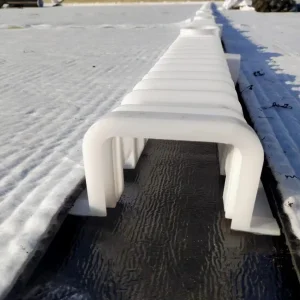
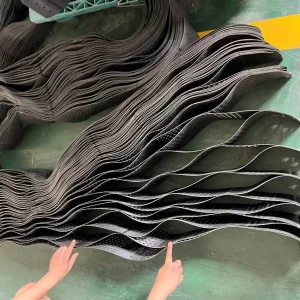
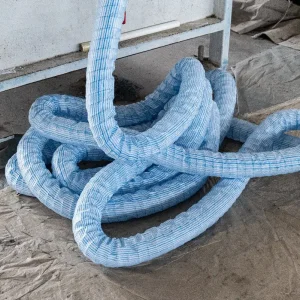
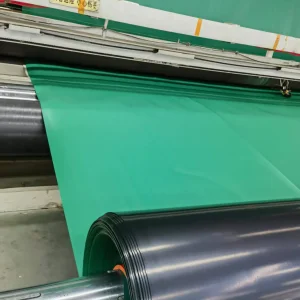
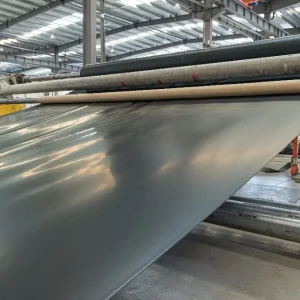
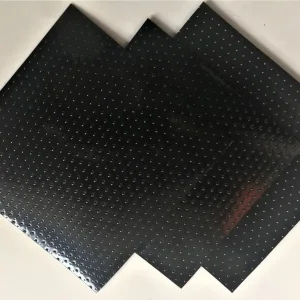
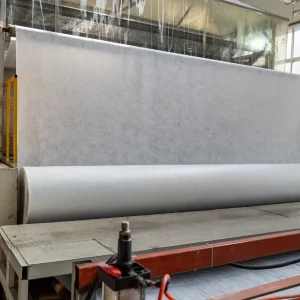
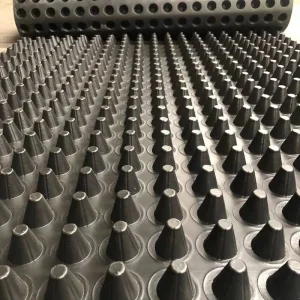
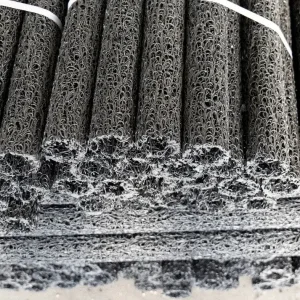
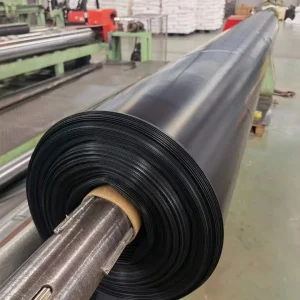
As a global industry-leading pioneer, Taian Changhong Engineering Materials Co., Ltd. specializes in the state-of-the-art production of smooth geomembrane, rough geomembrane, double color geomembrane, geotextiles (polyester short fiber non-woven fabric, polyester long fiber non-woven fabric, polypropylene short fiber non-woven fabric, hot-rolled non-woven fabric), drainage board, drainage net, geogrid, geocell, flexible permeable pipe, plastic blind drain and other environmentally friendly geosynthetic materials.
Relying on our long-term and stable raw material supply system and strictly monitored, proprietary chemical formulas, we routinely customize high-performance polymer products utilizing HDPE, LDPE, EVA, and ECB tailored specifically to the most challenging engineering environments.
"Our company's products have a wide range of applications, featuring anti-aging properties, long operational service life, environmental friendliness, and non-toxicity."
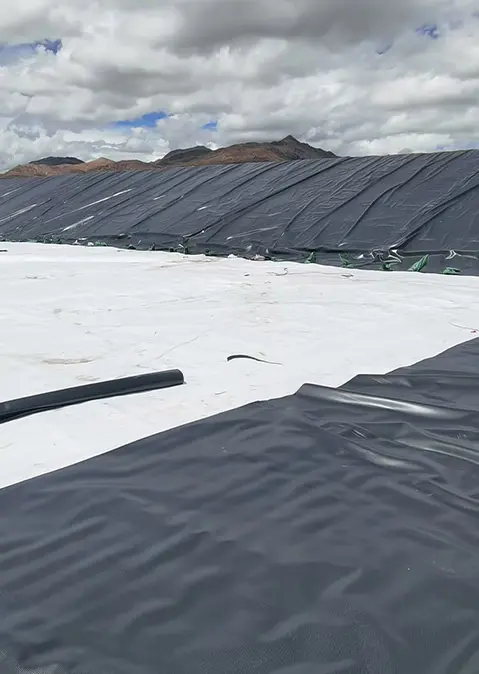
High-Density Polyethylene (HDPE) remains the bedrock material of modern global infrastructure containment, water conservation, and soil remediation. Chinese manufacturers, led by industry hubs like Shandong Taian, have transitioned from traditional volume-driven producers to centers of high-precision material science. This evolution offers key structural advantages to global infrastructure buyers:
Advanced blending of HDPE with specific carbon black grades, UV stabilizers, and antioxidant packages (OIT) to meet ASTM D5199 and GRI-GM13 quality control baselines.
Continuous co-extrusion technology enables wide roll widths (up to 8 meters), minimizing the risk of localized failures by significantly reducing the linear length of field-welded seams.
Integrated physical, chemical, and mechanical labs trace production batches back to raw resin batches, certifying performance parameters for global engineering contracts.
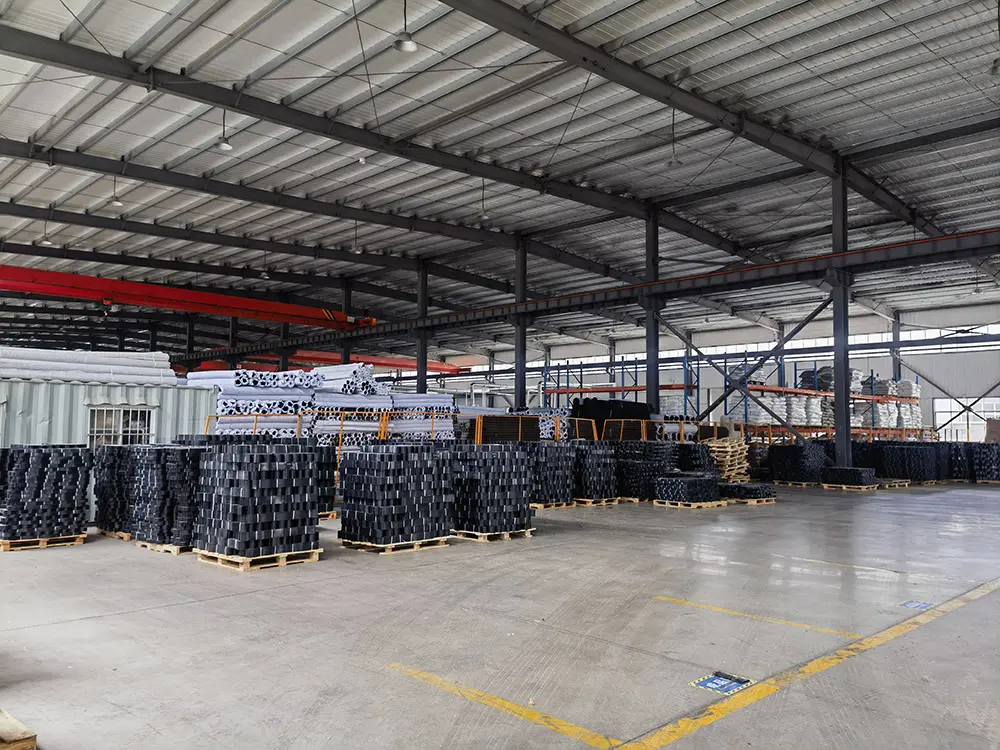
The company has passed the ISO9001, ISO14001 and OHSAS18001 certifications, demonstrating our compliance with international environmental, occupational health, and quality safety protocols. We support these certifications with advanced lab testing instruments and a highly skilled technical workforce.
There are currently over 60 employees, including 3 chief chemical process engineers, 5 mechanical engineers and 9 professional equipment operation engineers. These professionals have many years of practical working experience in advanced polymer chemistry. The strong technical strength ensures the stability, consistency, and forward-looking nature of our products.
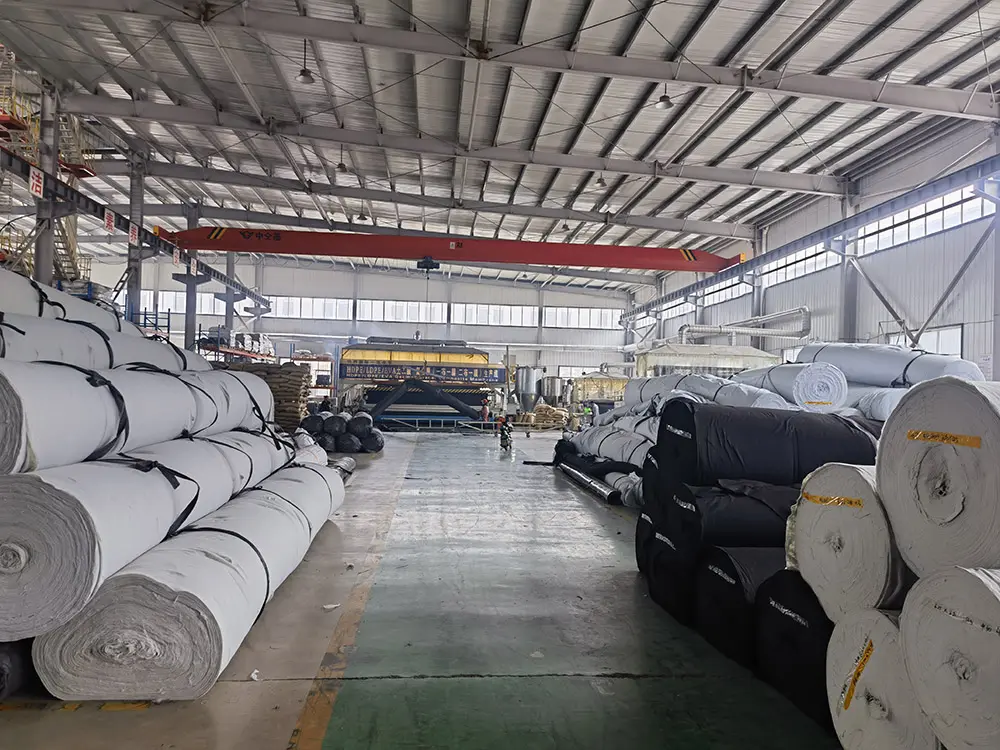
The company has always kept an eye on the world's advanced level. With its strong economic and technological strength, it maintains leading geosynthetic material production lines and testing equipment. Relying on a complete product production system and quality inspection system, it creates high-quality and high-standard products.
Modern engineering projects require comprehensive containment and stabilization systems. Taian Changhong provides tailored solutions designed for key industries:
Anti-seepage for municipal solid waste landfill sites, hazardous waste storage plants, industrial sewage ponds, agricultural biogas digesters, wastewater containment ponds, and power plant regulating ponds.
Slope protection and secure containment for aquaculture breeding ponds, fish ponds, shrimp ponds, commercial lotus root farms, municipal parks, artificial lakes, residential greening, swimming pools, and golf courses.
Waterproofing, anti-seepage, and moisture-proofing for subways, vehicular tunnels, underground pipe galleries, retaining walls, high-speed rail slope reinforcements, and foundation waterproofing.
Seepage prevention, reinforcement, and erosion control for reservoirs, irrigation canals, agricultural dams, drainage systems, river dykes, and maritime ports.
Heap leaching pads, tailings storage facilities (TSF), industrial slag yards, chemical reaction pools, sedimentation basins, secondary fuel storage tanks, and refinery containment reservoirs.
Advanced water management involving stormwater harvesting, permeable pavement sub-bases, geocellular detention tanks, and subgrade drainage matrices.
Our solutions have been implemented across varied terrains, including soft soils, steep slopes, and high-salinity zones. Below are selected applications of our geosynthetic materials:
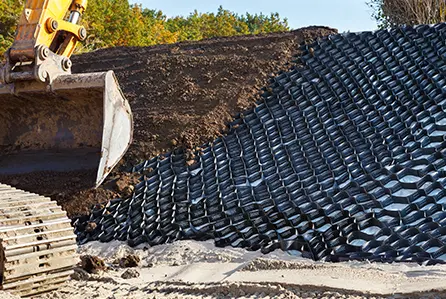
Reinforcement and erosion protection utilizing geotextiles and HDPE liners.
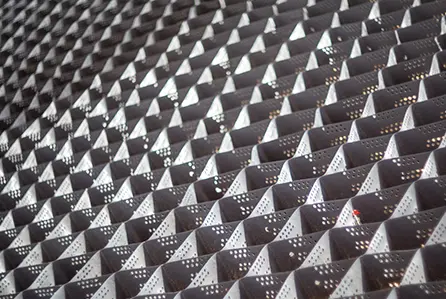
Mitigating differential settlement under high-load railway lines.
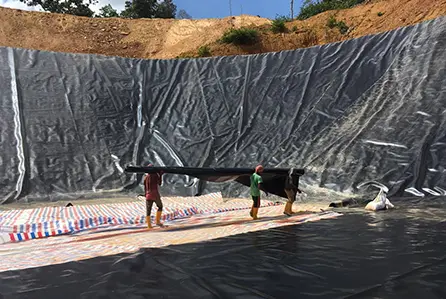
Zero-leakage municipal freshwater storage containment system.
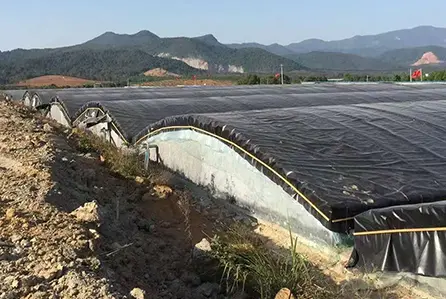
Lining and agricultural moisture management systems.
Geomembrane performance depends on raw material purity and chemical formulation. At Taian Changhong, we source virgin resin exclusively from global chemical manufacturers. This prevents the stress-cracking risks associated with low-quality recycled additives.
We work in long-term partnership with customers, establishing relationships built on reliable quality and mutual progress. By providing consistent products and technical support, we help engineering teams optimize their procurement budgets without compromising project lifetime requirements.
| Property | Standard Testing Protocol | Performance Range (Typical) |
|---|---|---|
| Density (g/cm³) | ASTM D1505 | 0.940 - 0.960 |
| Tensile Yield Strength | ASTM D6693 Type IV | Up to 15 kN/m (1.0mm thickness) |
| Carbon Black Content | ASTM D1603 | 2.0% - 3.0% (dispersion optimized) |
| Puncture Resistance | ASTM D4833 | 320 N - 640 N depending on gauge |
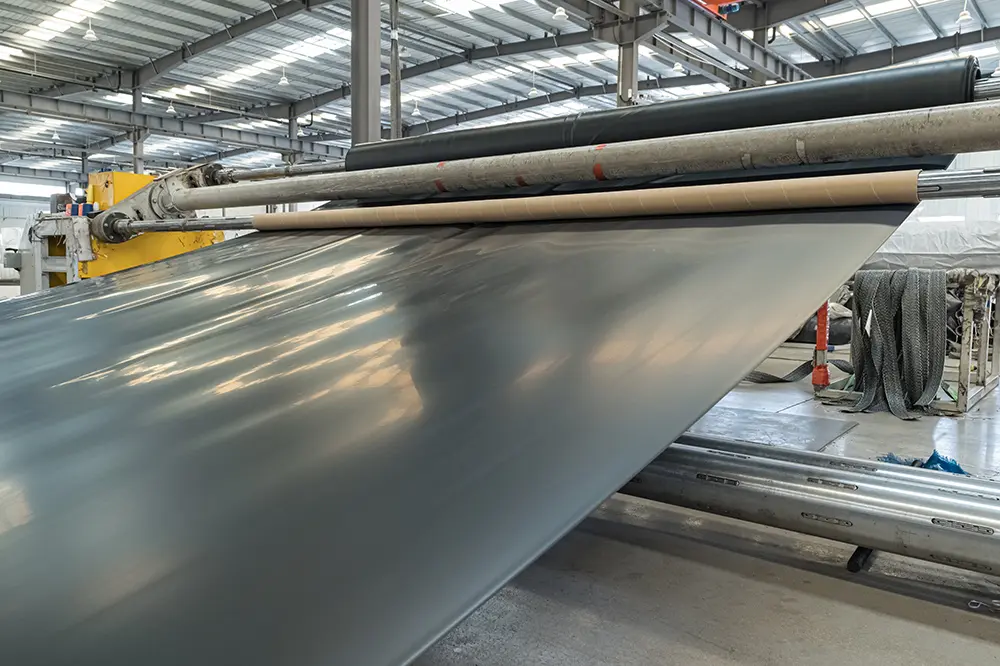
Proper installation is critical to system integrity. Even minor installation errors can lead to leaks and system failure under hydraulic load. Our engineering teams recommend the following parameters during construction:
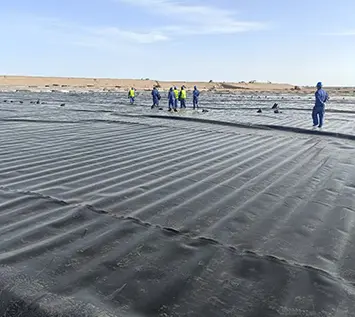
Subgrade must be compacted and free of sharp gravel, organic debris, or standing water. Liners are deployed with calculated slack to allow for thermal contraction and expansion.
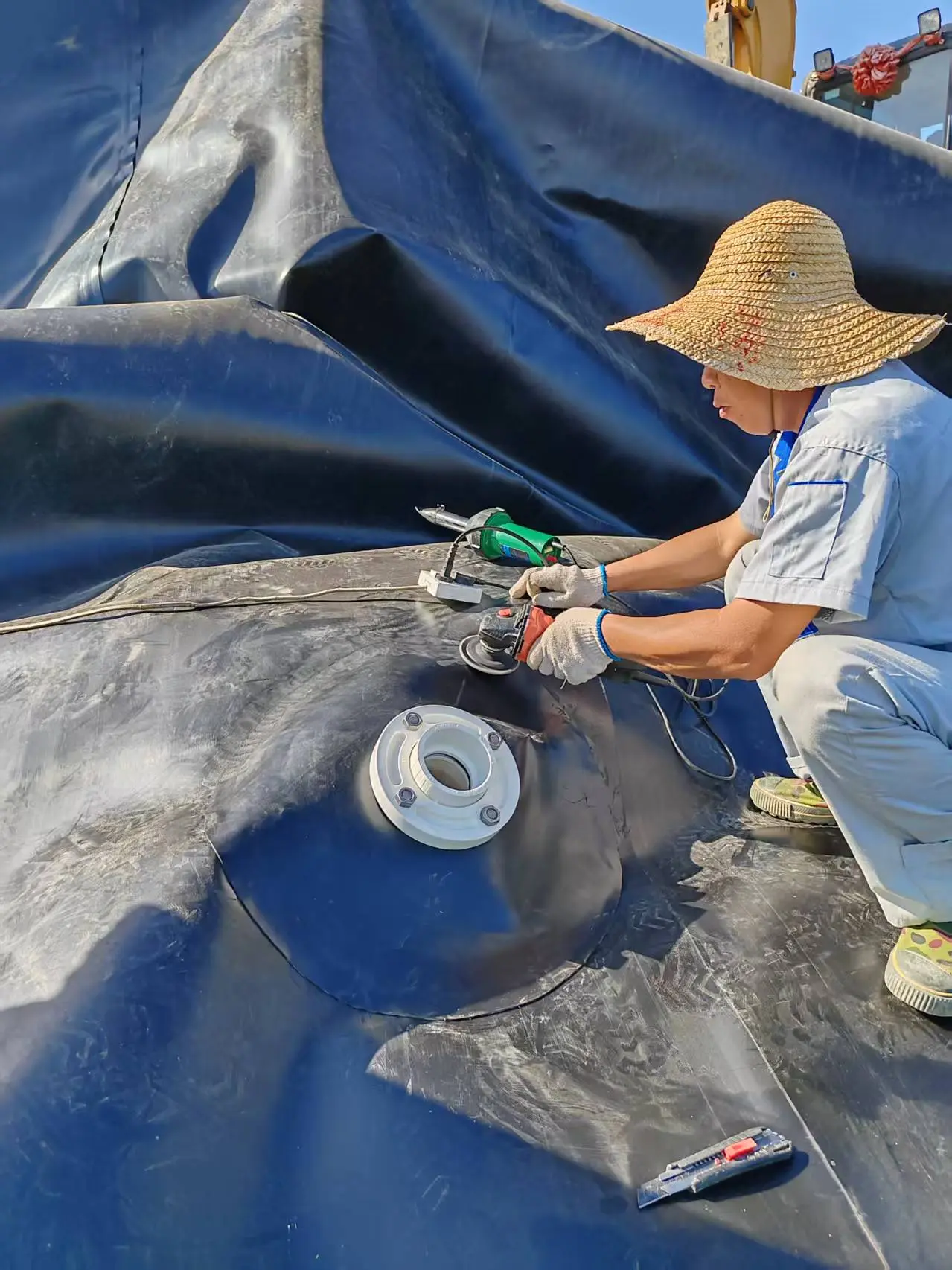
We recommend double-track hot wedge welding, which creates an air channel for pressure testing and verification of weld integrity.
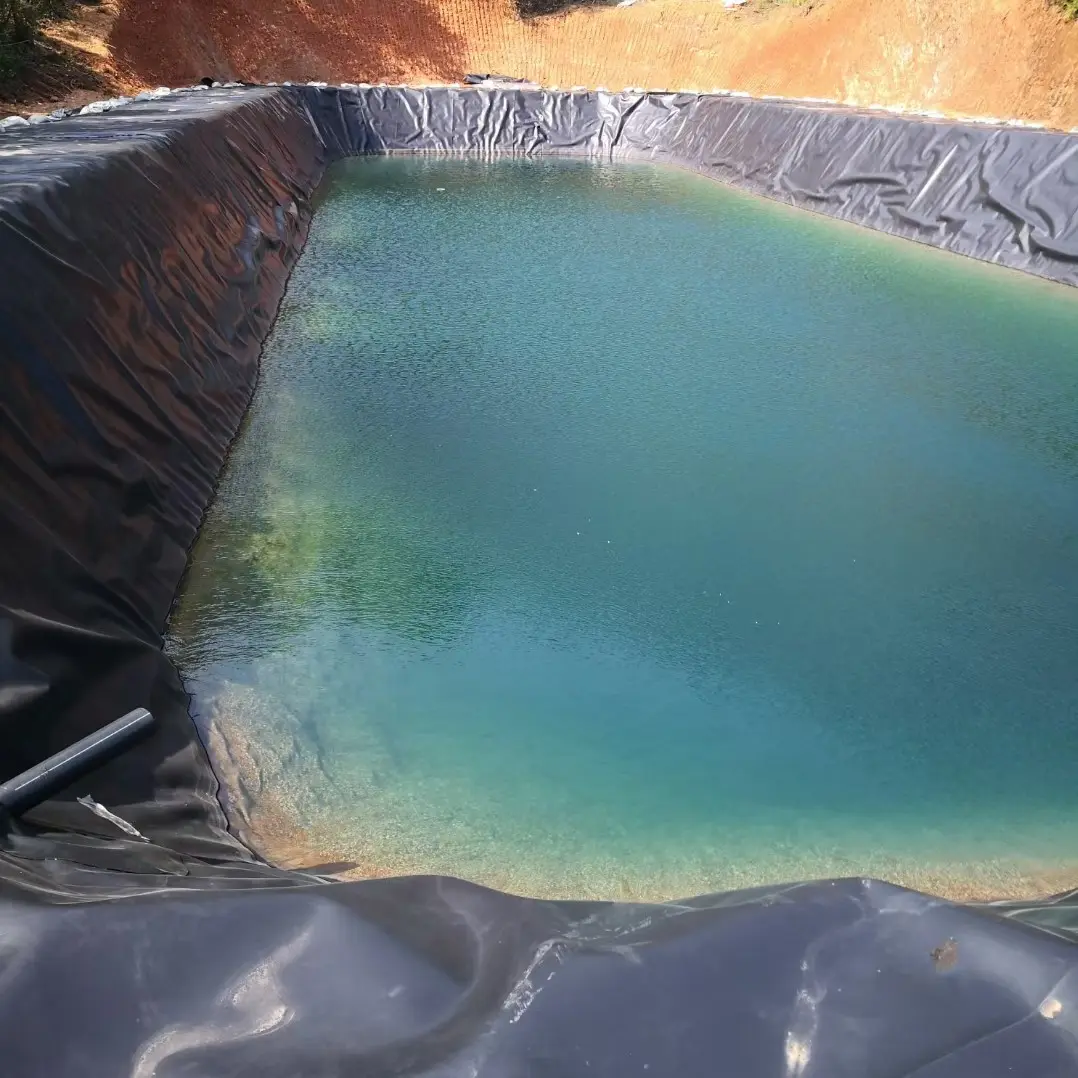
Samples from each seam undergo peel and shear testing in our quality laboratory to ensure joint strength meets the required parameters.
HDPE (High-Density Polyethylene) offers superior chemical resistance, UV stability, and mechanical strength, making it the industry standard for landfills, chemical containment, and mining projects. LLDPE (Linear Low-Density Polyethylene) and LDPE provide higher flexibility and elongation characteristics, which are ideal for applications requiring conformance to irregular surfaces or where high differential settlement is anticipated.
Carbon black acts as a primary UV absorber. Taian Changhong maintains a strict 2.0% to 3.0% carbon black concentration, ensuring fine particle dispersion. This distribution absorbs incoming solar radiation and prevents polymer chain scission, protecting the liner in exposed-surface applications like reservoirs and slope protections.
Double-color geomembranes offer distinct functional advantages. A white or light-colored top layer reflects solar radiation, reducing thermal expansion, wrinkles, and heat accumulation during installation. It also facilitates visual inspection: any puncture or tear in the top layer exposes the contrasting black core, simplifying damage identification before backfilling.
The choice depends on the friction angle of the slope. Textured surface geomembranes are selected for steep-slope containment projects (such as landfill cells and tailings dams) where they prevent sliding between the liner and adjacent soils or geotextiles. Smooth geomembranes are used for flat bottom profiles, maximizing flow velocities and hydraulic efficiency.
Siphonic drainage systems run completely full of water, using the hydraulic pressure head difference between the roof and the discharge point to generate a siphon. This allows for horizontal piping layouts without slope, smaller pipe diameters, and self-cleaning flow velocities, whereas gravity drainage requires pitched pipes and larger diameters to accommodate air entrainment.
We are fully certified under ISO9001 for Quality Management, ISO14001 for Environmental Standards, and OHSAS18001 for Occupational Health and Safety. Each batch of raw material undergoes testing for density and melt flow index before production. Finished products are tested for thickness, tensile properties, puncture resistance, and carbon black distribution before dispatch.
Yes. Based on customer specifications and engineering requirements, we formulate liners using LDPE, EVA, LLDPE, and ECB (Ethylene Copolymer Bitumen). These formulations are tailored to meet requirements for elasticity, chemical resistance, or low-temperature flexibility.
 Changhong