In modern civil infrastructure and hydraulic engineering, the mitigation of soil erosion and run-off sediment has evolved from a basic regulatory requirement to an intricate science. Selecting high-quality silt mesh and polymeric containment barriers plays a critical role in preserving local ecosystems, reinforcing slopes, and preventing expensive project failures.
As a global pioneer in the design and production of advanced geosynthetics, Taian Changhong Engineering Materials Co., Ltd. develops materials engineered to resolve complex hydrological challenges. Our extensive range—including smooth and textured geomembranes, high-strength geotextiles, and flexible permeable drainage matrices—supports environmental preservation and structural stability worldwide.
By leveraging specialized chemical compositions and advanced thermal processing, our materials offer exceptional UV stability, chemical resistance, and physical durability. This comprehensive whitepaper provides engineers, procurement directors, and consultants with the necessary data to select, deploy, and maintain optimal geosynthetic barriers across diverse environments.
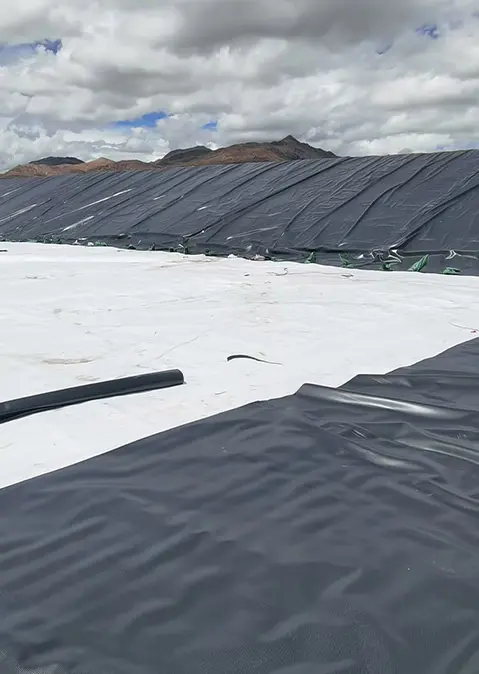
As environmental regulations tighten globally, industrial operations demand robust sediment control and liquid containment solutions. This grid highlights how our advanced barriers are integrated into multi-scale modern projects.
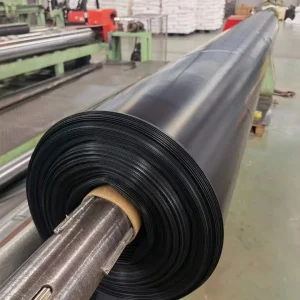
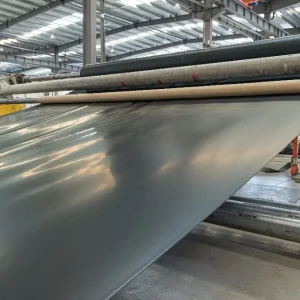
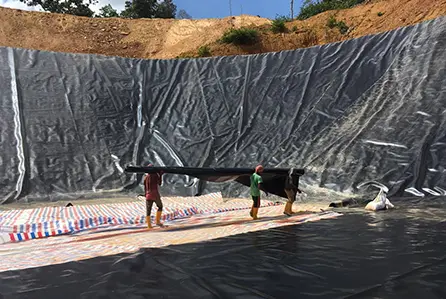
Modern landfills require strict composite lining systems to prevent toxic leachate from entering groundwater. Our high-density polyethylene (HDPE) smooth and rough geomembranes provide dependable impermeability for chemical plant slag yards and biogas containment pools.
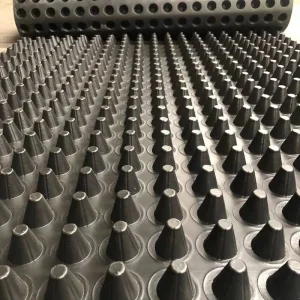
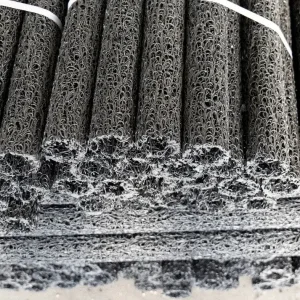
Protecting reservoirs, channels, and municipal dams against structural water loss requires specialized lining. Our custom geonets and isolation geotextiles optimize filtration under high hydraulic pressures, preventing embankment degradation and localized erosion.
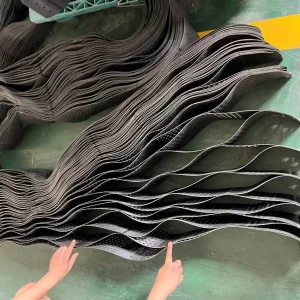
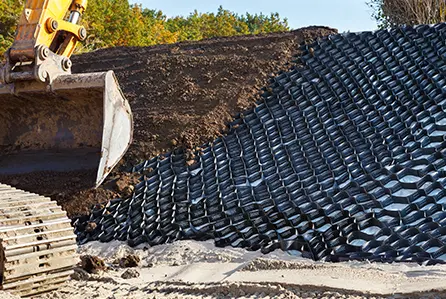
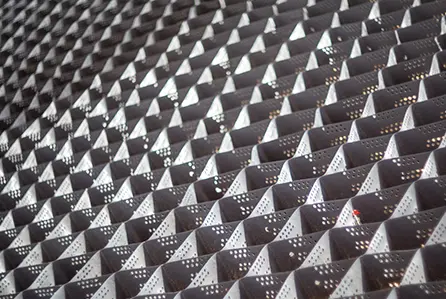
Sustained mechanical loads on roads and railways require balanced load distribution. By using gravel grids, geocells, and high-strength non-woven geotextiles, engineers can stabilize soft soils, limit lateral aggregate shifting, and extend infrastructure lifespans.
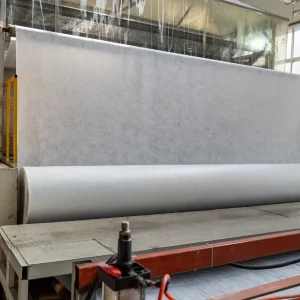
Hydraulic dynamics present unique erosive forces along riverbanks and canals. Our double-layered filament geotextiles serve as reliable filtration zones, allowing water to drain freely while holding back fine sediment particles.
In recent projects, combining Taian Changhong geocells with stable vegetative layers has successfully mitigated active bank erosion under fast-flowing conditions. The three-dimensional cell structure anchors the infill material, resisting high shear stresses and encouraging natural vegetation growth to blend with the surrounding ecosystem.
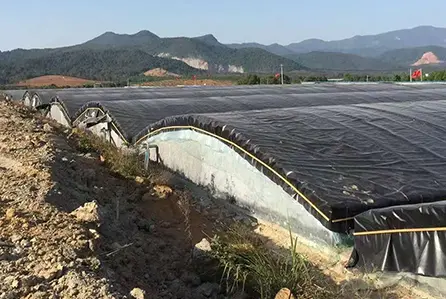
Additionally, our chemically inert LDPE/HDPE geomembranes provide dependable underlayment solutions for commercial reservoirs, preventing water loss to seepage while protecting soil structures from prolonged saturation.
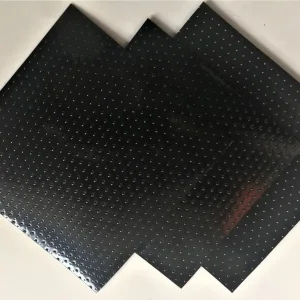
Containing industrial waste and mining run-off demands highly durable protective barrier systems. Our high-performance rough-textured geomembranes are specifically designed to increase interface friction, preventing slippage along steep containment slopes.
These geomembranes are manufactured with specialized anti-oxidants and UV stabilizers, providing resistance to acidic and alkaline environments alike. When paired with our high-permittivity non-woven geotextiles, they form an effective composite lining that protects the primary barrier from punctures caused by coarse stone or gravel.
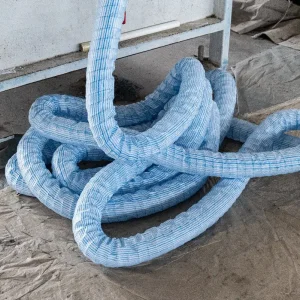
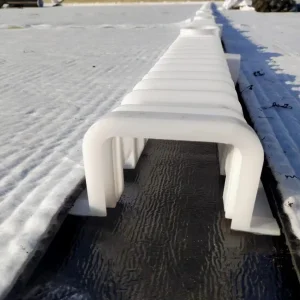
Our flexible permeable drainage systems also help manage run-off efficiently, preventing hydrostatic build-up behind retaining structures and maintaining overall structural integrity.
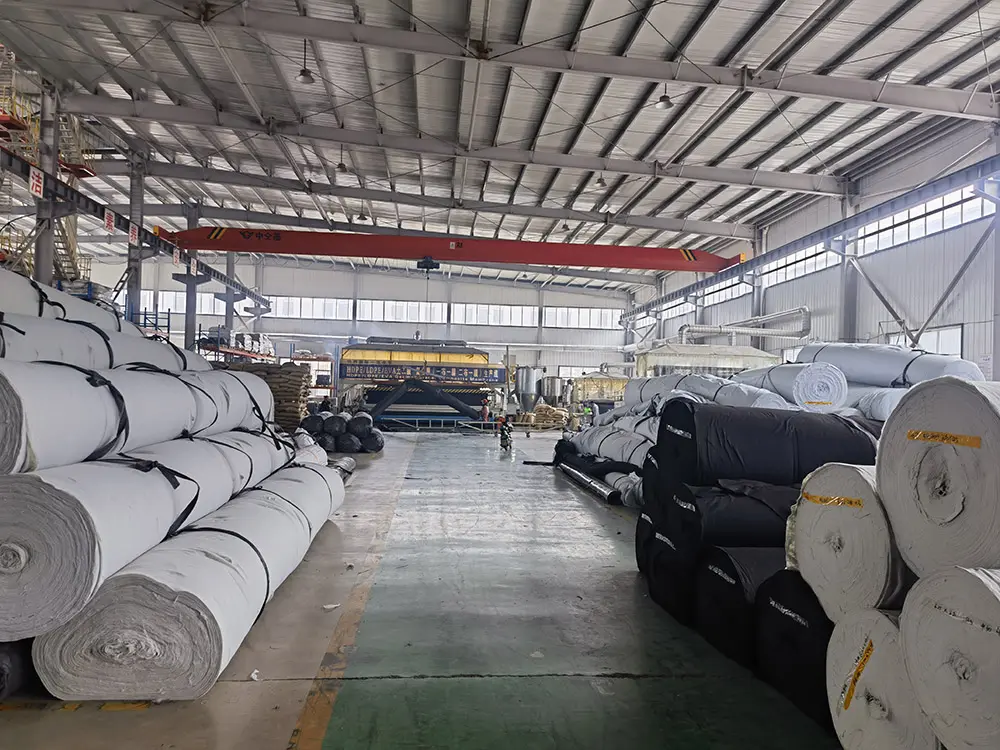
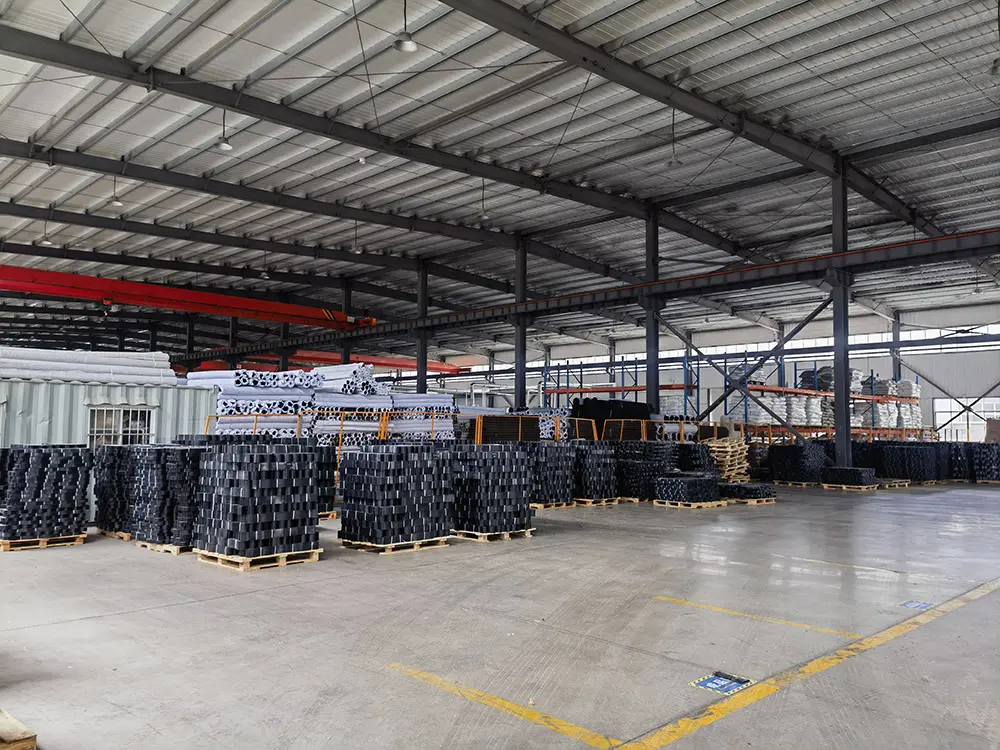
Our direct-to-factory model ensures consistent quality, certified compliance, and reliable logistics support for large-scale global projects.
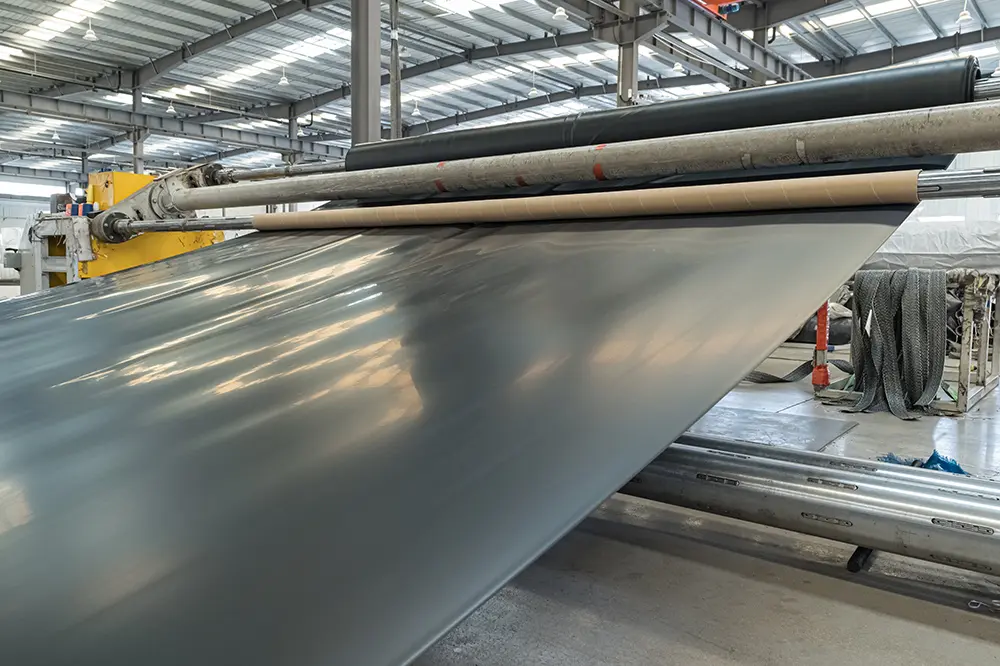
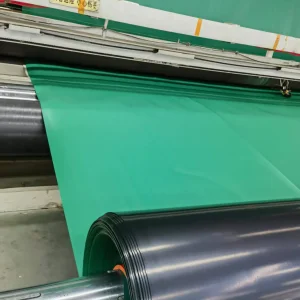
Located in the industrial hub of Taian, Shandong, China, our manufacturing facilities feature automated production systems designed to maintain strict quality standards. With over 60 skilled personnel—including 3 chief chemical process engineers, 5 mechanical engineers, and 9 dedicated equipment operators—we ensure consistent thickness control, uniform tensile strength, and reliable roll distribution.
Our deep integration with premium raw material providers allows us to quickly scale production to meet project demands. This streamlined supply chain minimizes transport overheads and passes direct cost efficiencies on to our partners, without compromising on performance.
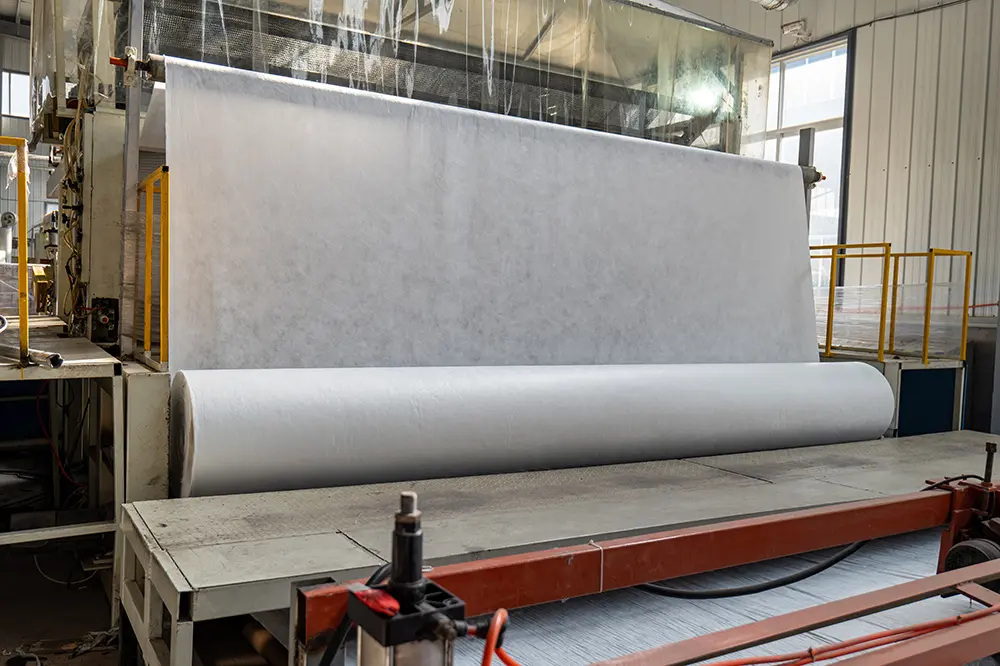
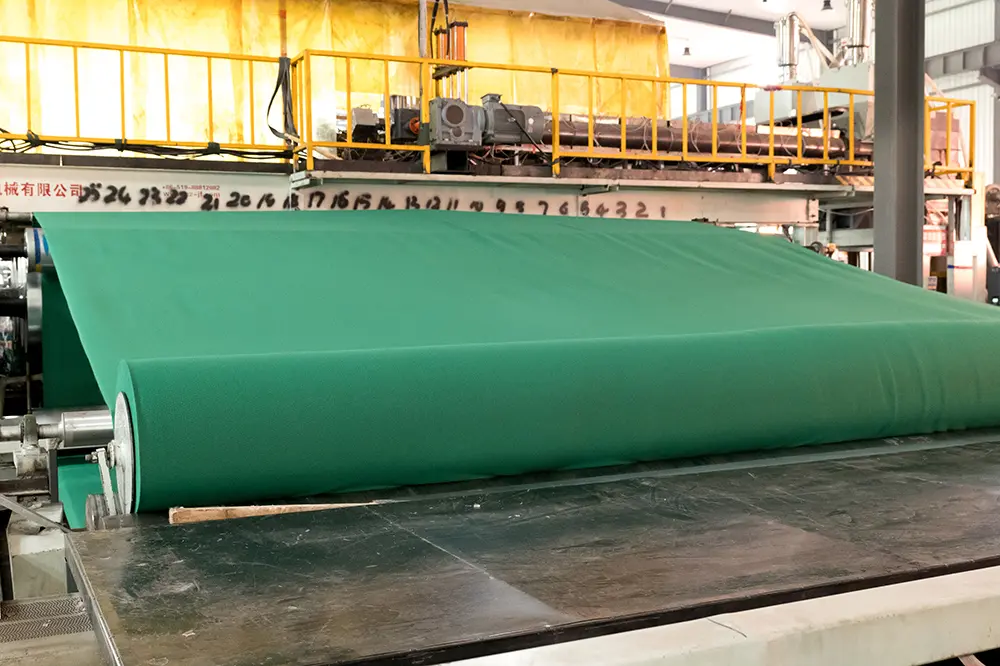
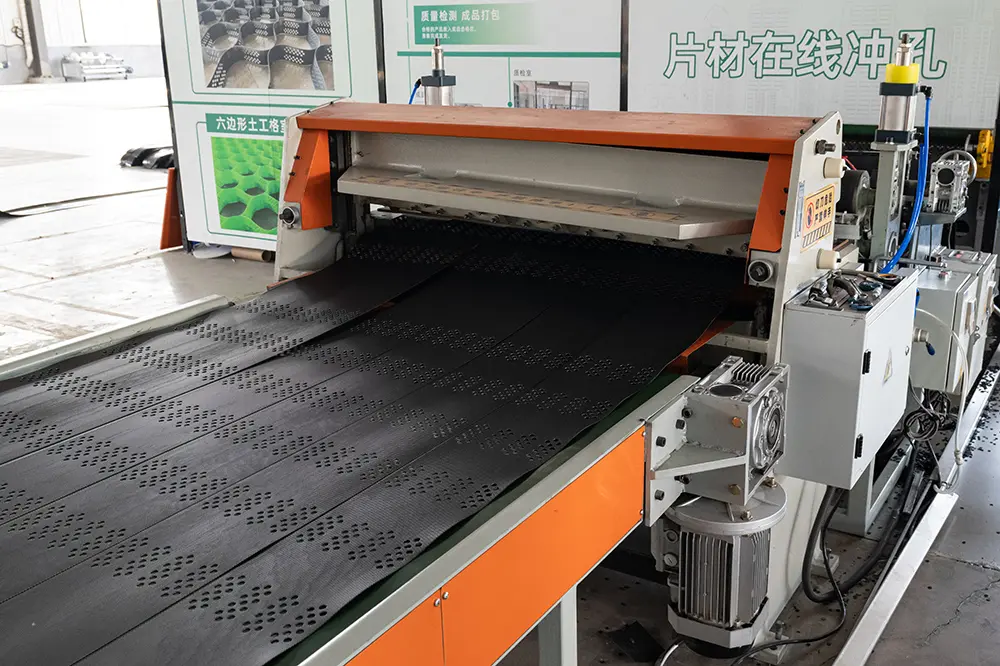
Our ongoing research focuses on ecological integration and intelligent materials, designed to meet the evolving demands of environmental engineering.
Developing bio-derived polymers that maintain the mechanical performance of classic HDPE, providing sustainable choices for eco-sensitive civil engineering projects.
Integrating conductive micro-fibers directly into geotextiles to allow real-time monitoring of subgrade stress and moisture changes, simplifying long-term field inspections.
Optimizing specialized chemical additive blends to maintain physical properties under extreme thermal cycling and intense ultraviolet exposure, suitable for high-altitude reservoirs.
Regulatory standards are critical in geotechnical containment. All products manufactured by Taian Changhong comply with ASTM, ISO, and European standards, ensuring streamlined approvals for regional and municipal projects.
We provide comprehensive localized support, including precise product documentation, chemical resistance databases, and installation guidance. Our technical team works alongside project managers and engineering consultants to help ensure materials are selected and installed correctly.
Our ISO 9001 and ISO 14001 certified manufacturing facility prioritizes ecological responsibility. By minimizing production waste and using energy-efficient extrusion processes, we help reduce the carbon footprint of the critical infrastructure projects we support.
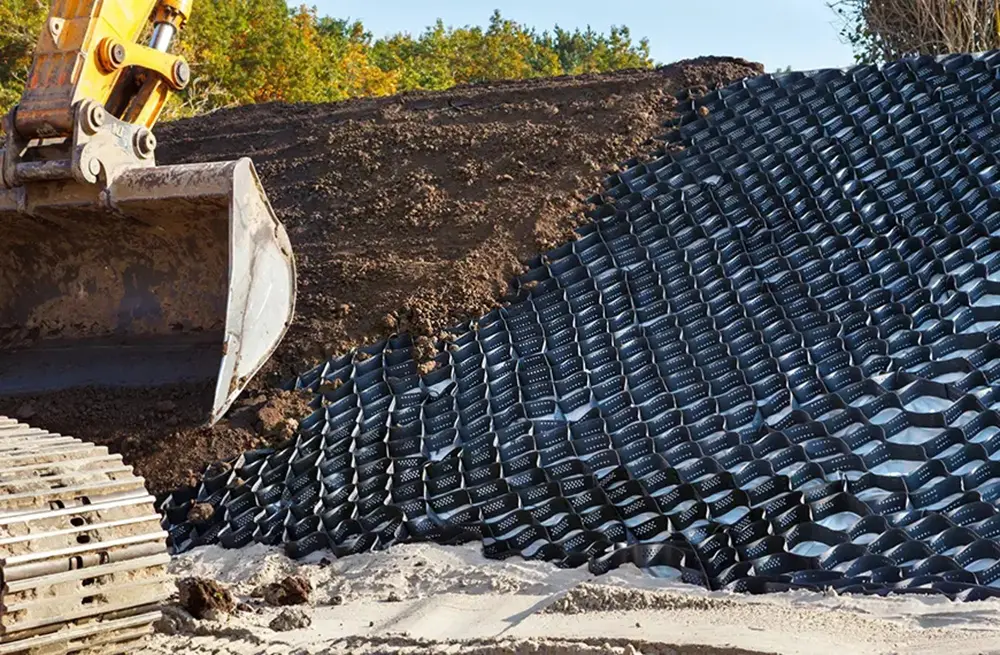
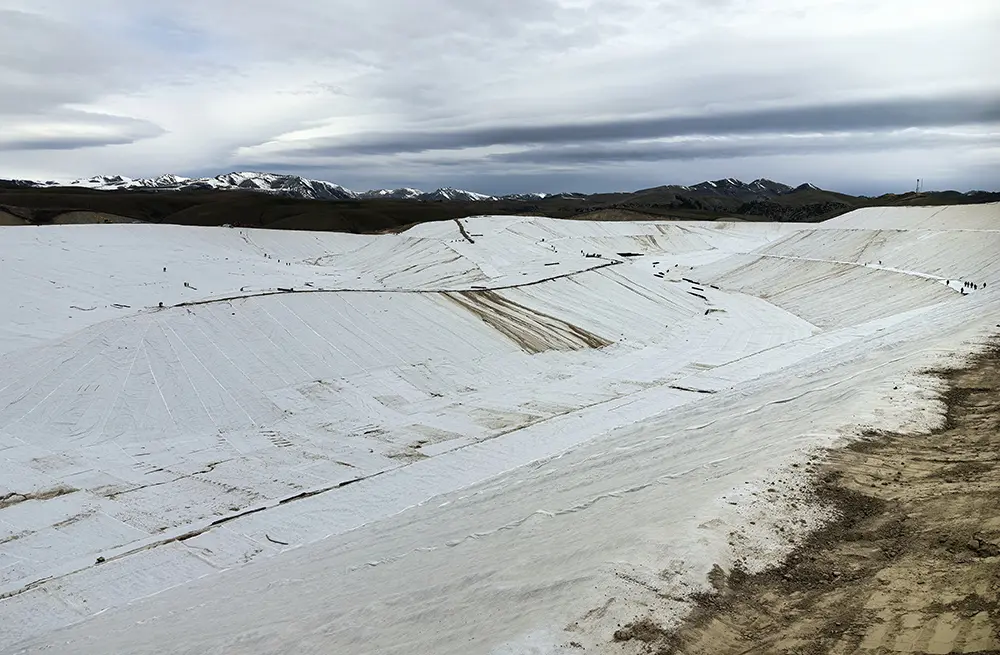
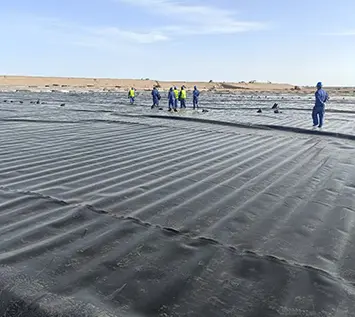
Ensure the base is free of sharp rocks, standing water, and organic debris. Lay geotextiles without tension, overlapping panels according to specification to maintain a stable, continuous barrier.
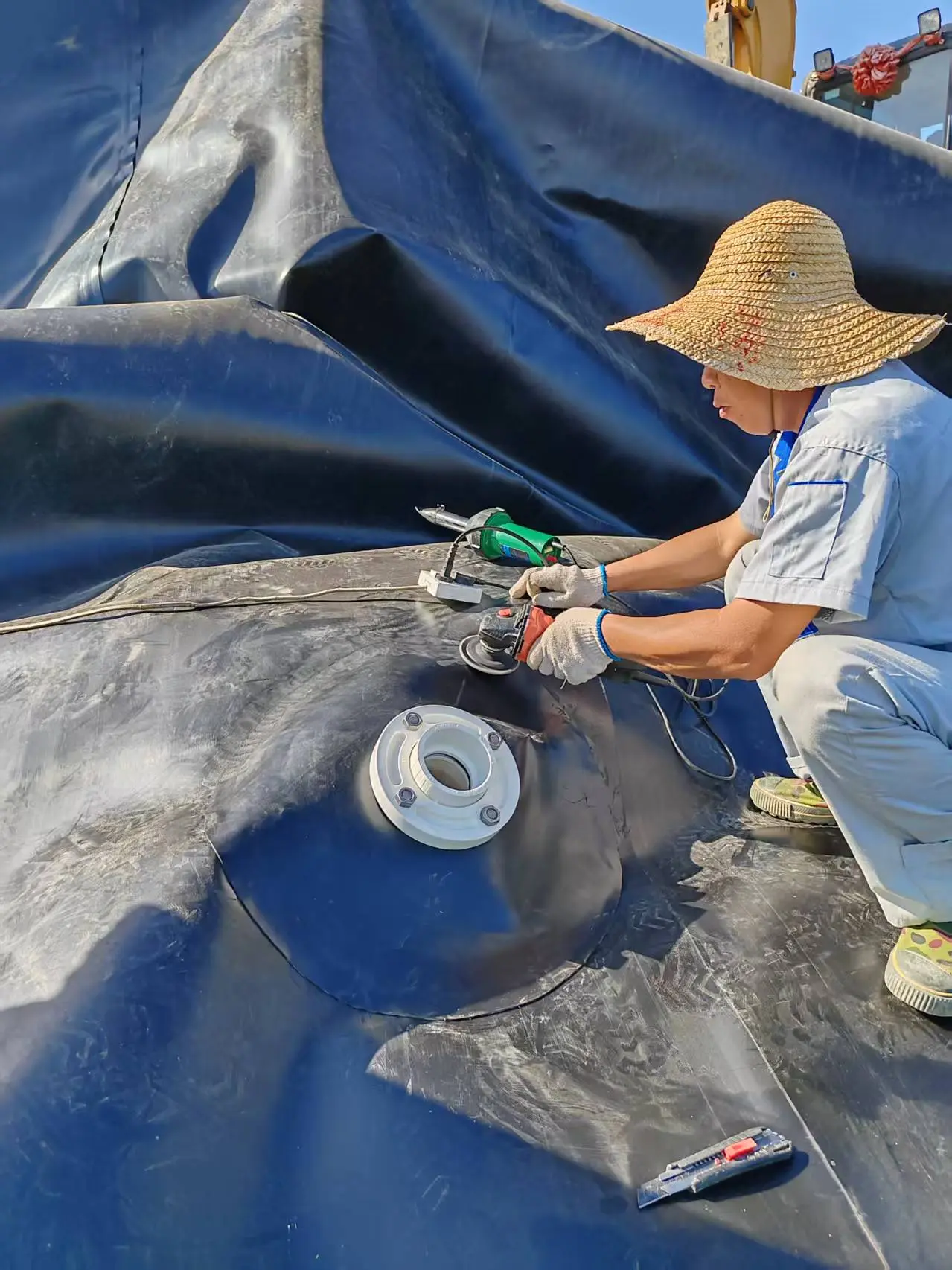
Use non-destructive air channel tests on dual-wedge welds, and vacuum box testing on extrusion welds. Continuous testing ensures long-term containment integrity.
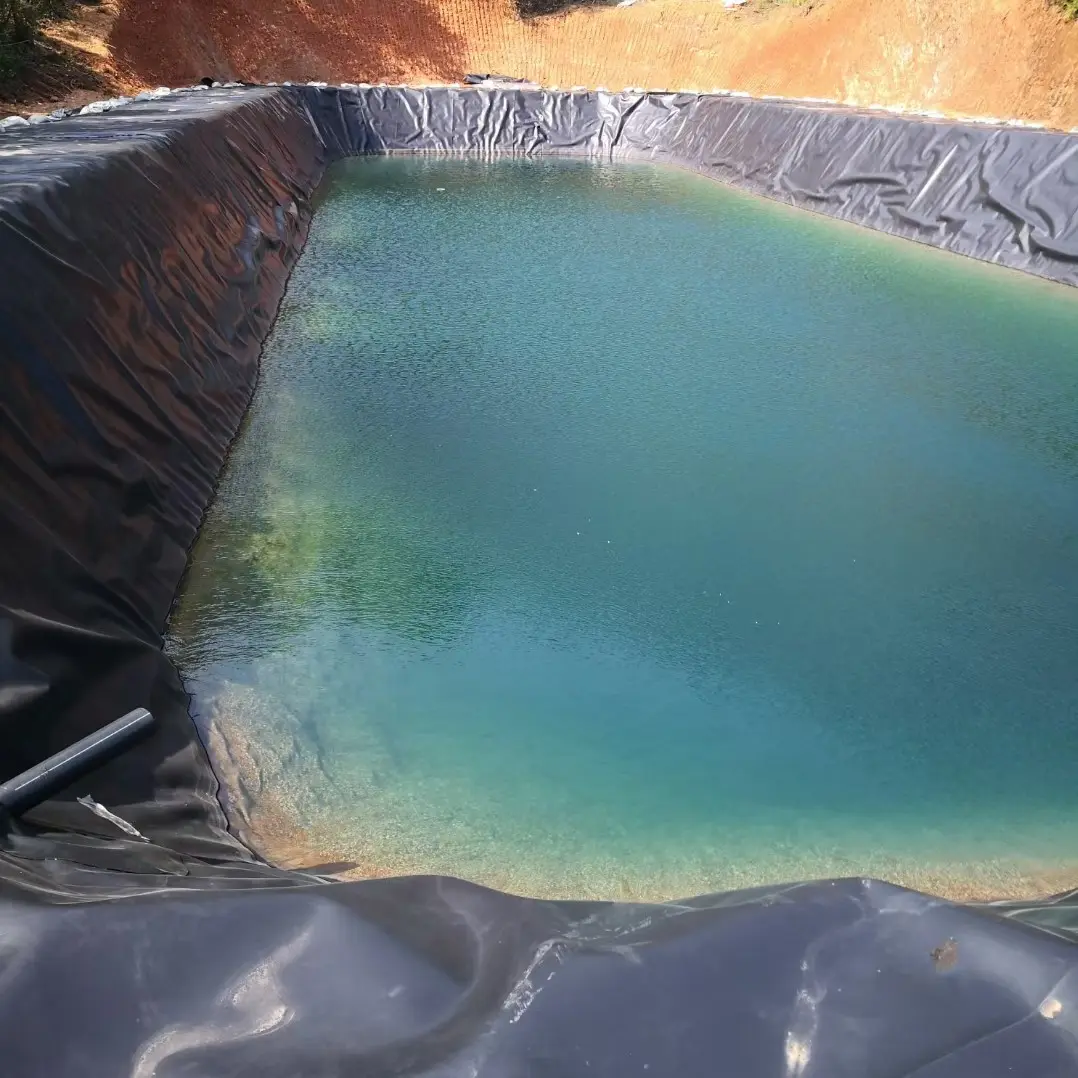
Match the polymer to your chemical exposure requirements: HDPE offers excellent chemical resistance, LLDPE provides high flexibility, and EVA/ECB function well in low-temperature environments.
 Changhong