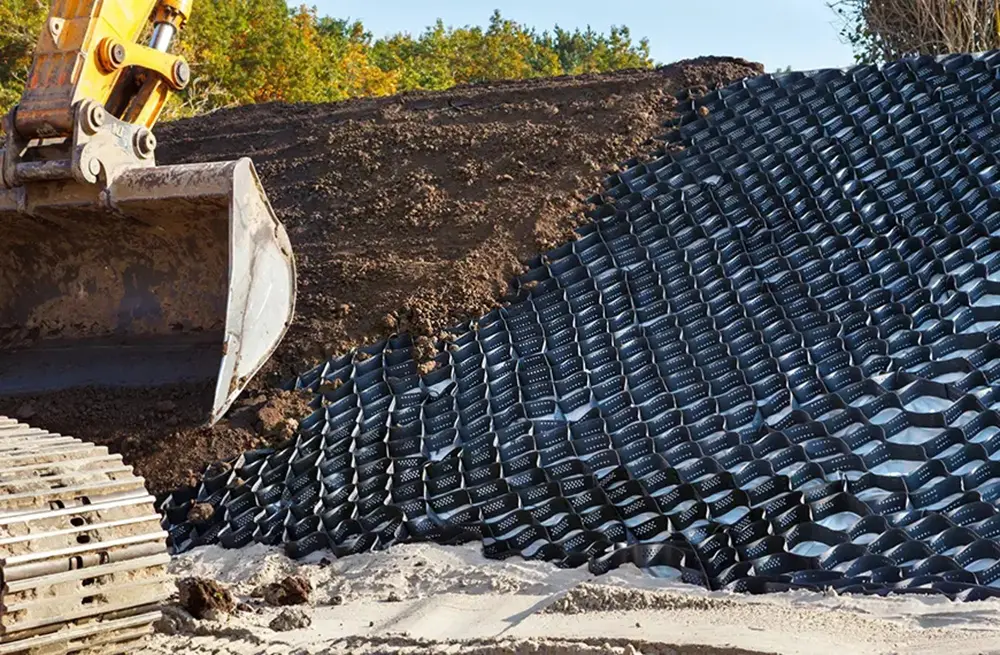
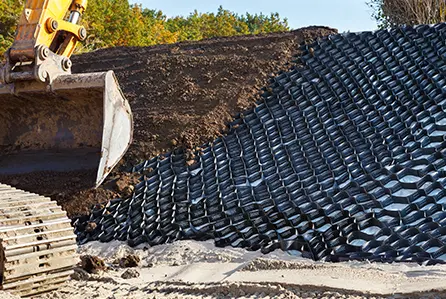
Modern geotechnical engineering relies heavily on geosynthetics to solve complex structural, hydraulic, and environmental challenges. Among these innovations, Geo Grid Wall systems (often referred to as Mechanically Stabilized Earth or MSE walls) stand out as a sustainable, cost-effective, and highly adaptable solution for soil retention and slope stabilization. By incorporating high-tensile polymeric geogrids, geocells, and geomembranes, engineers can construct steeper, taller slopes that withstand dynamic loads and harsh environmental conditions.
This comprehensive document explores the strategic integration of geosynthetic materials, the unique advantages of sourcing from top-tier Chinese manufacturing hubs, and the critical parameters global procurement teams must consider when evaluating factories and companies.
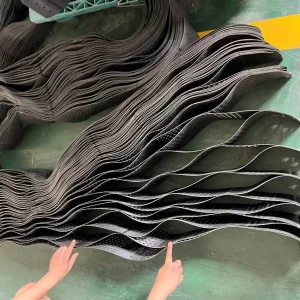
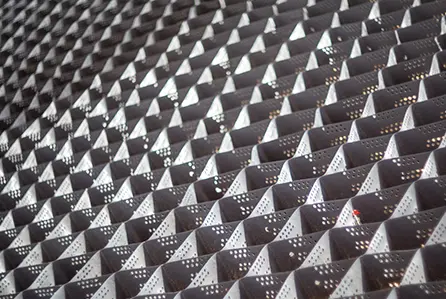
Geogrid retaining walls operate on the principle of composite soil-geosynthetic action. Raw soils possess high compressive strength but virtually zero tensile capacity. When structural loads or lateral earth pressures are exerted on a soil mass, tensile stresses develop. Unreinforced soil will slide along critical failure planes. By placing horizontal layers of high-tensile geogrids or integrating confinement lattices like geocells, the lateral deformation of the soil is mechanically constrained through friction and interlocking. This converts a weak, disjointed backfill into a coherent, load-bearing composite mass.
The aperture size of the geogrid is engineered to align with backfill aggregate dimensions, maximizing mechanical interlock and pull-out resistance.
Premium polymers like HDPE and Polyester short/long fibers resist deformation under continuous structural tension over a 100-year design life.
Resistant to soil acids, alkalis, microbial degradation, and saline conditions, ensuring structural integrity in landfills and coastal settings.
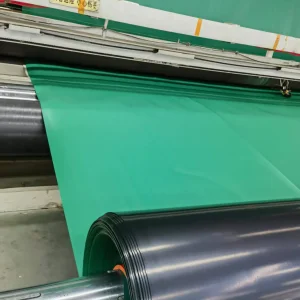
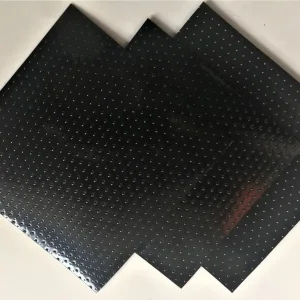
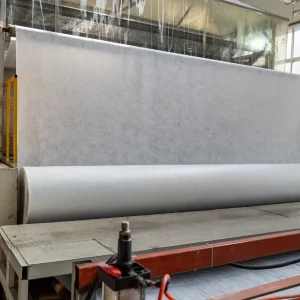
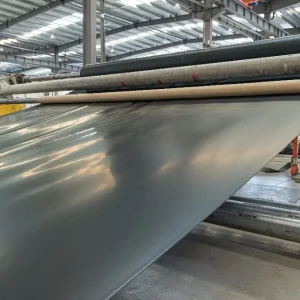
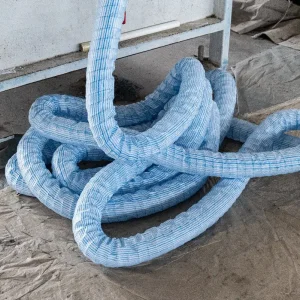
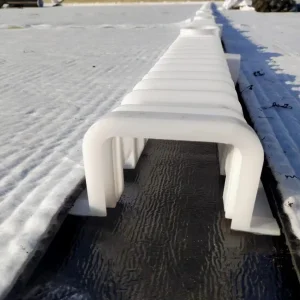
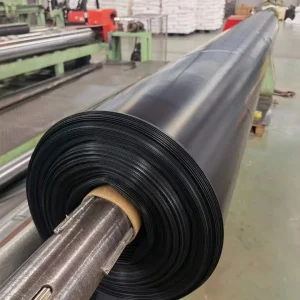
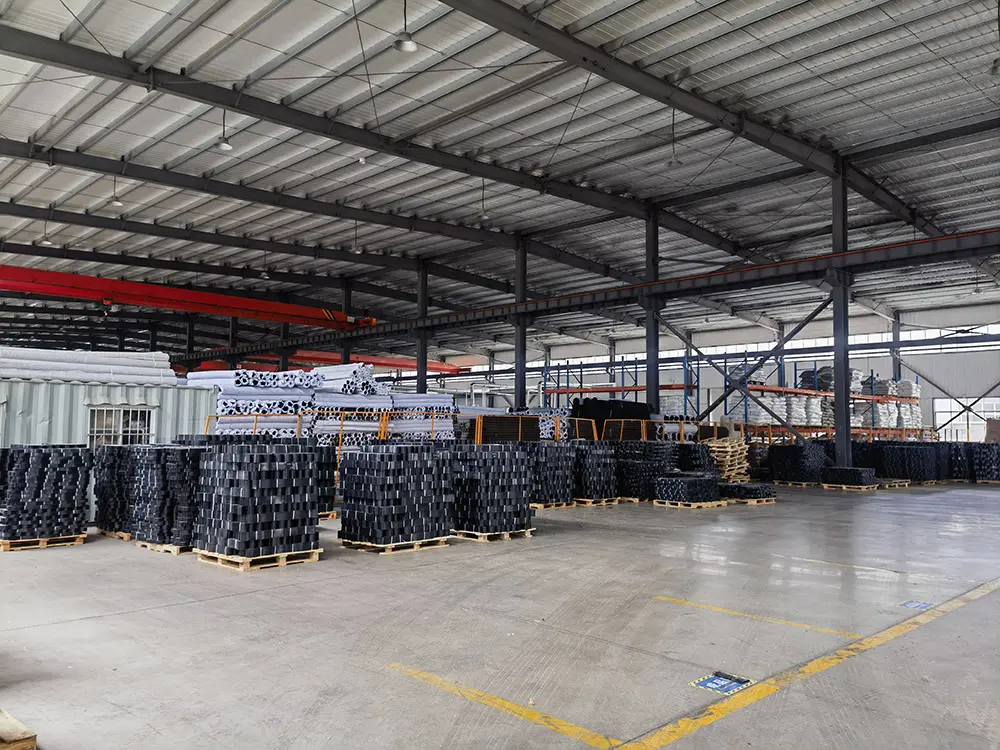
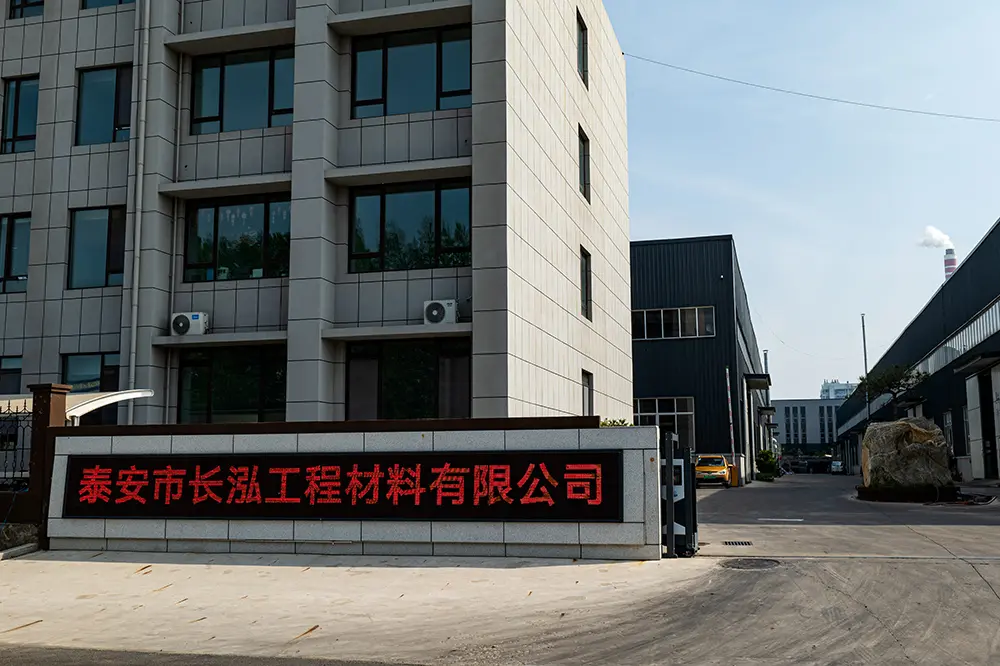
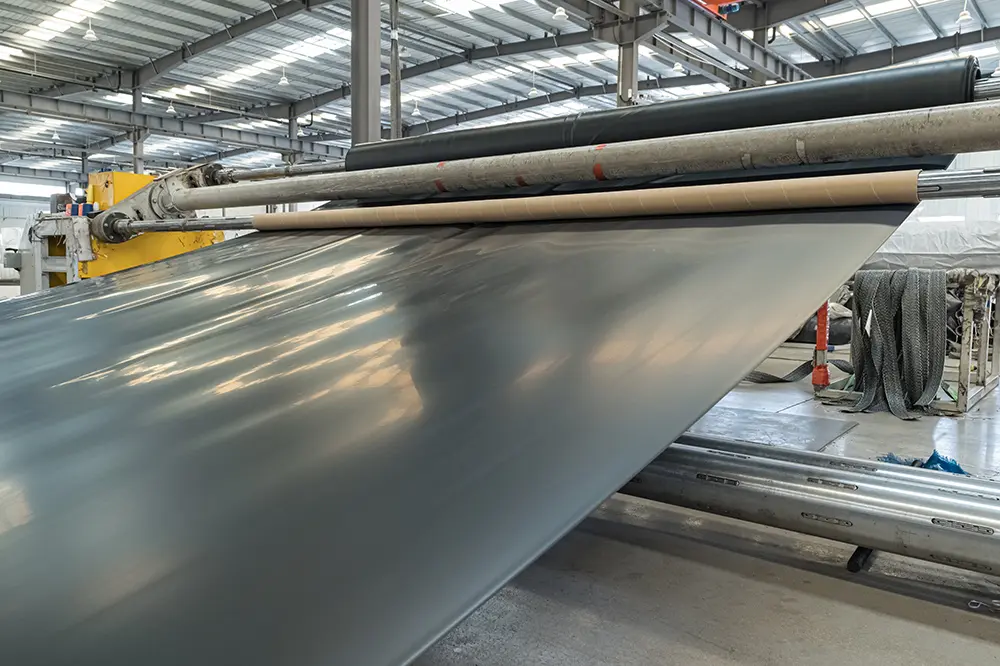
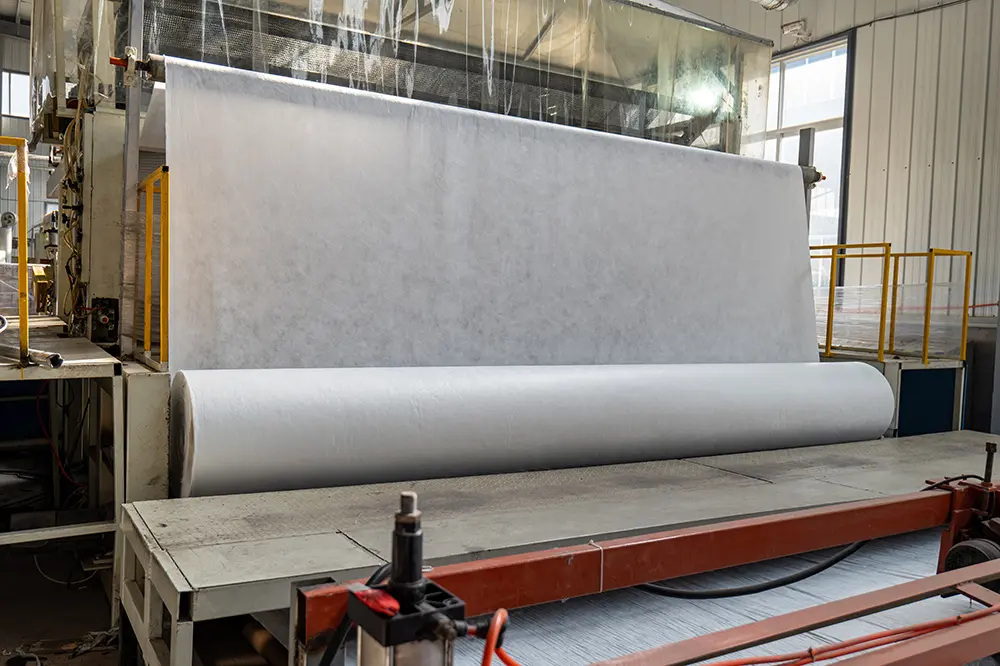
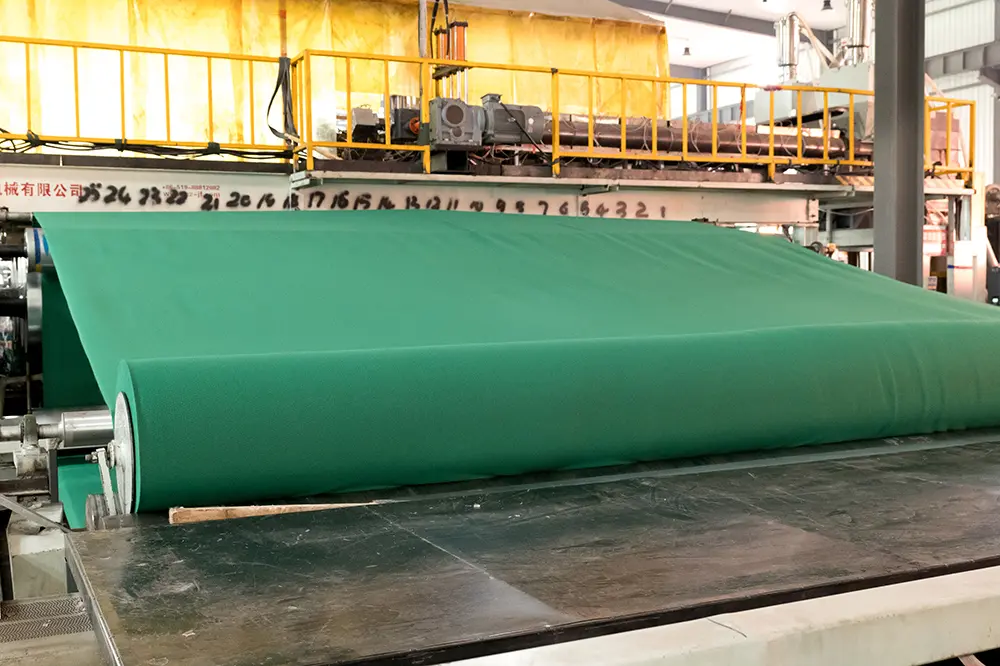
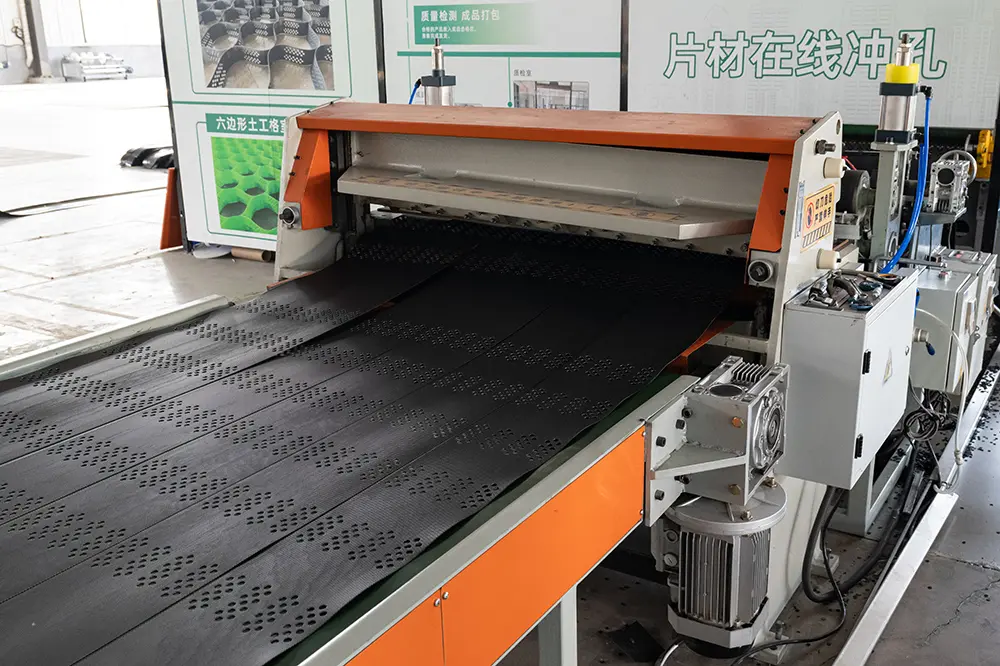
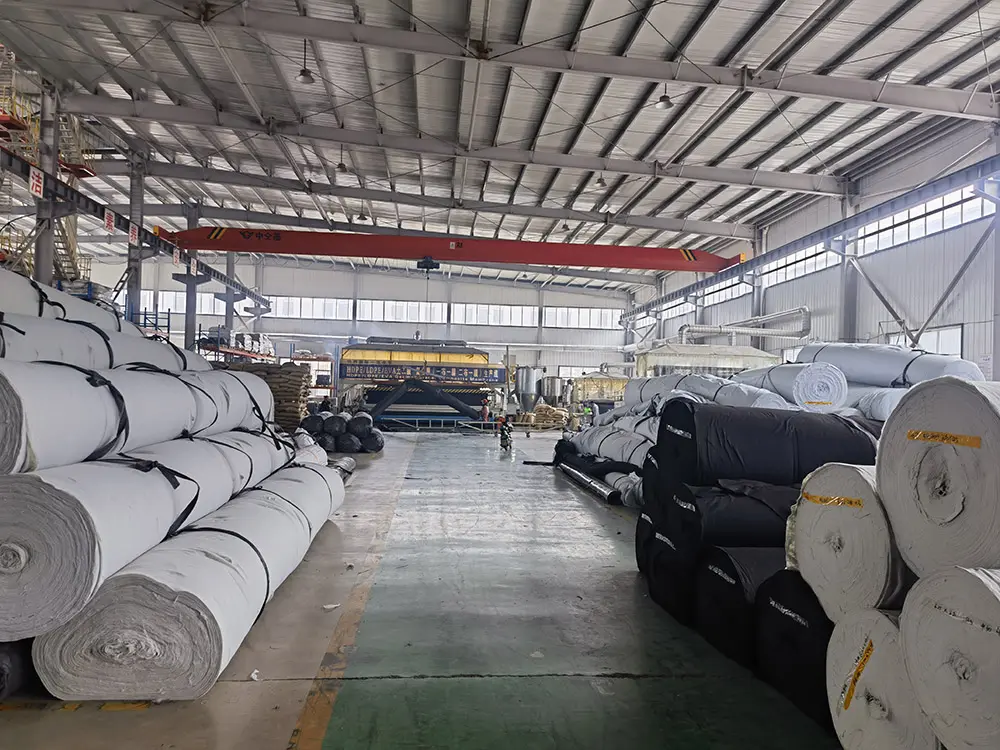
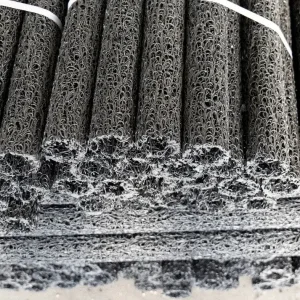
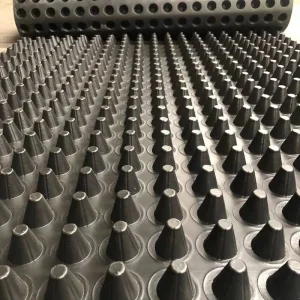
Taian Changhong Engineering Materials Co., Ltd. is a globally recognized manufacturer specializing in the production of high-performance geosynthetic materials. The company's diverse product portfolio includes smooth and textured geomembranes, double-color geomembranes, and comprehensive geotextiles (polyester short fiber, polyester long fiber, polypropylene short fiber, and hot-rolled non-woven fabrics). In addition to filtration and lining sheets, the factory specializes in structural elements such as drainage boards, drainage nets, geogrids, geocells, flexible permeable pipes, and plastic blind drains.
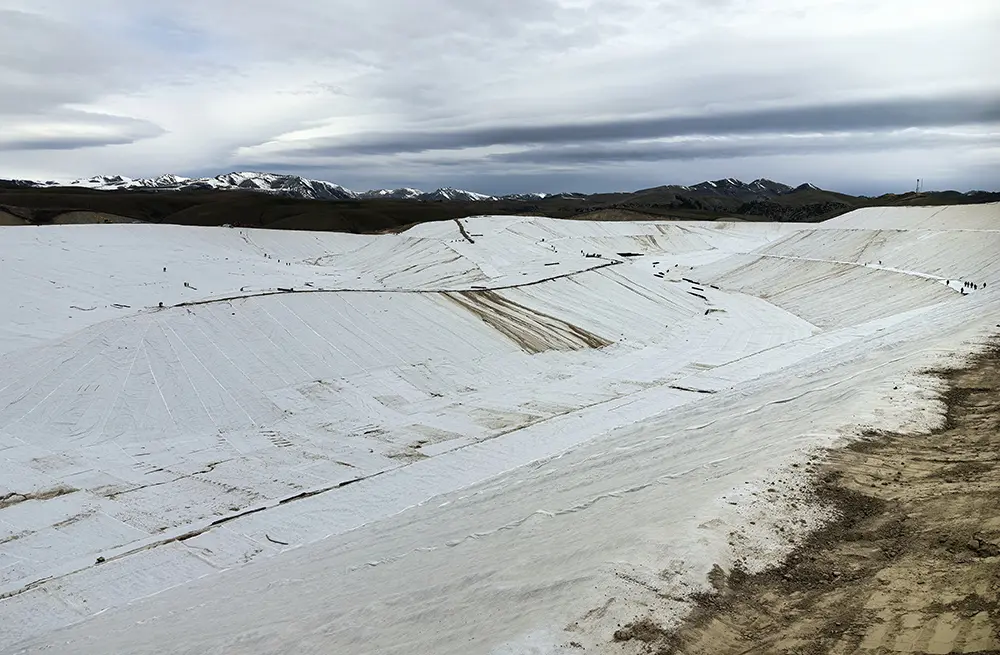
Leveraging a long-term, stable raw material supply network and proprietary product formulations, Taian Changhong offers bespoke customization for specialized material variants including HDPE, LDPE, EVA, and ECB to suit precise client requirements. Our products are widely used in environmental landfills, municipal highways, railways, hydraulic reservoirs, aquaculture containment, slag yards, and sponge city systems.
Explore Engineering Solutions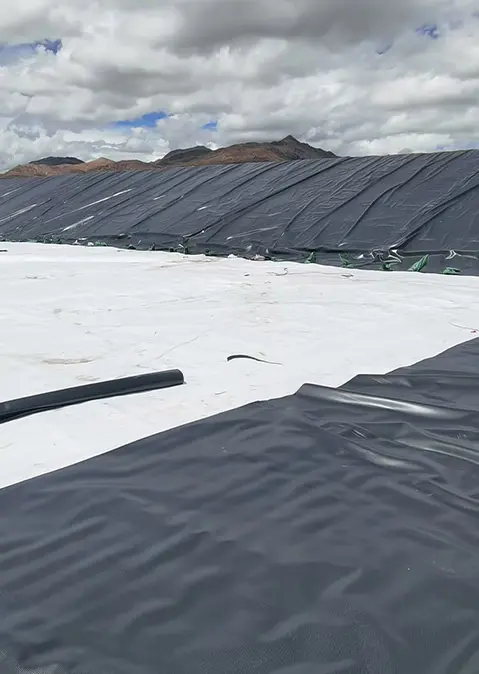
Building resilient infrastructure requires absolute reliability. Taian Changhong has established a rigorous quality framework backed by industry-standard certifications, ensuring every production batch matches specified engineering requirements:
As global infrastructure spending increases, engineering firms and procurement managers seek to optimize cost structures without sacrificing structural safety. Chinese manufacturing centers have emerged as the primary source for high-quality geosynthetics due to several strategic advantages:
Proximity to raw polymer refineries (petrochemical hubs) minimizes transportation and handling costs for raw materials like polyethylene (HDPE, LLDPE) and polypropylene (PP). This allows Chinese factories to maintain competitive pricing and secure raw material allocations even during global supply shortages.
With massive multi-line manufacturing facilities, factories like Taian Changhong can output thousands of square meters of geogrids, geocells, and geomembranes daily. This capacity is critical for large-scale infrastructure projects that operate under tight construction schedules.
Modern Chinese factories have transitioned from bulk commodity production to advanced custom engineering. Whether an engineer requires double-color geomembranes for inspection verification, textured surfaces to increase slope friction coefficients, or high-tensile custom geogrids, Chinese manufacturers can modify formulation ratios (UV stabilizers, carbon black content, antioxidants) on the fly.
Our comprehensive line of geosynthetic materials addresses critical environmental, structural, and civil engineering challenges across diverse sectors:
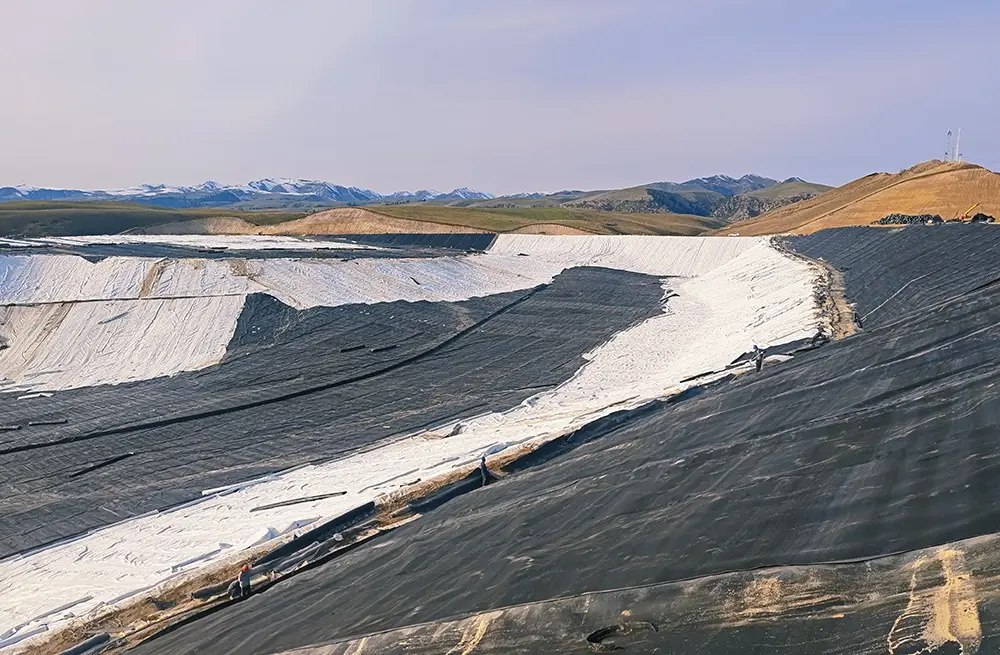
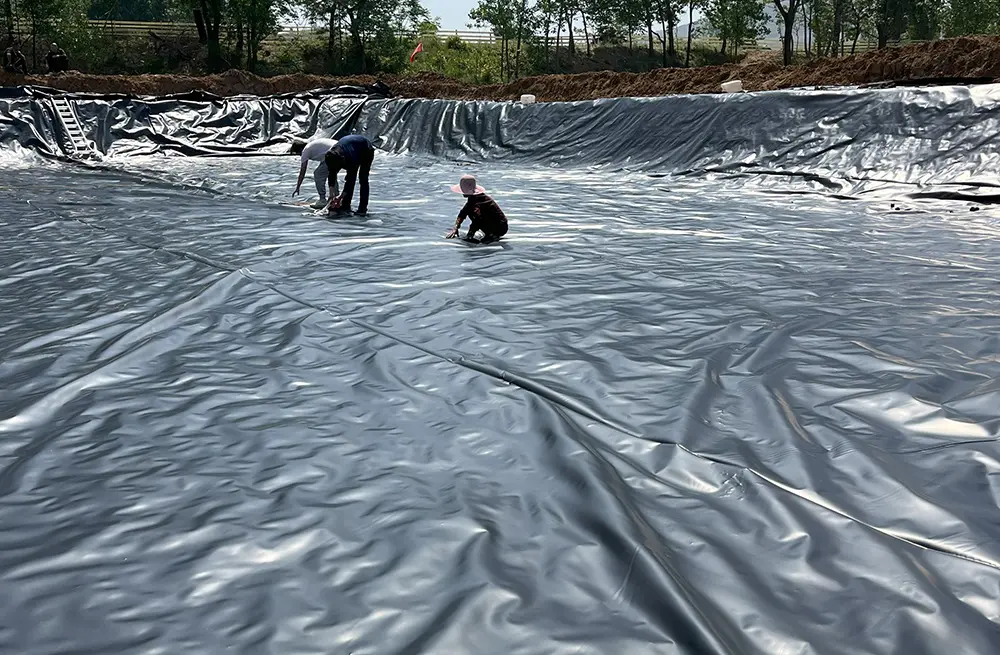
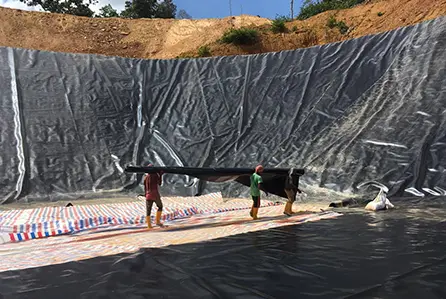
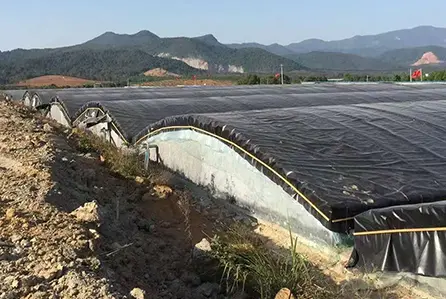
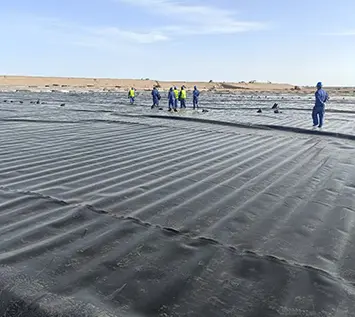
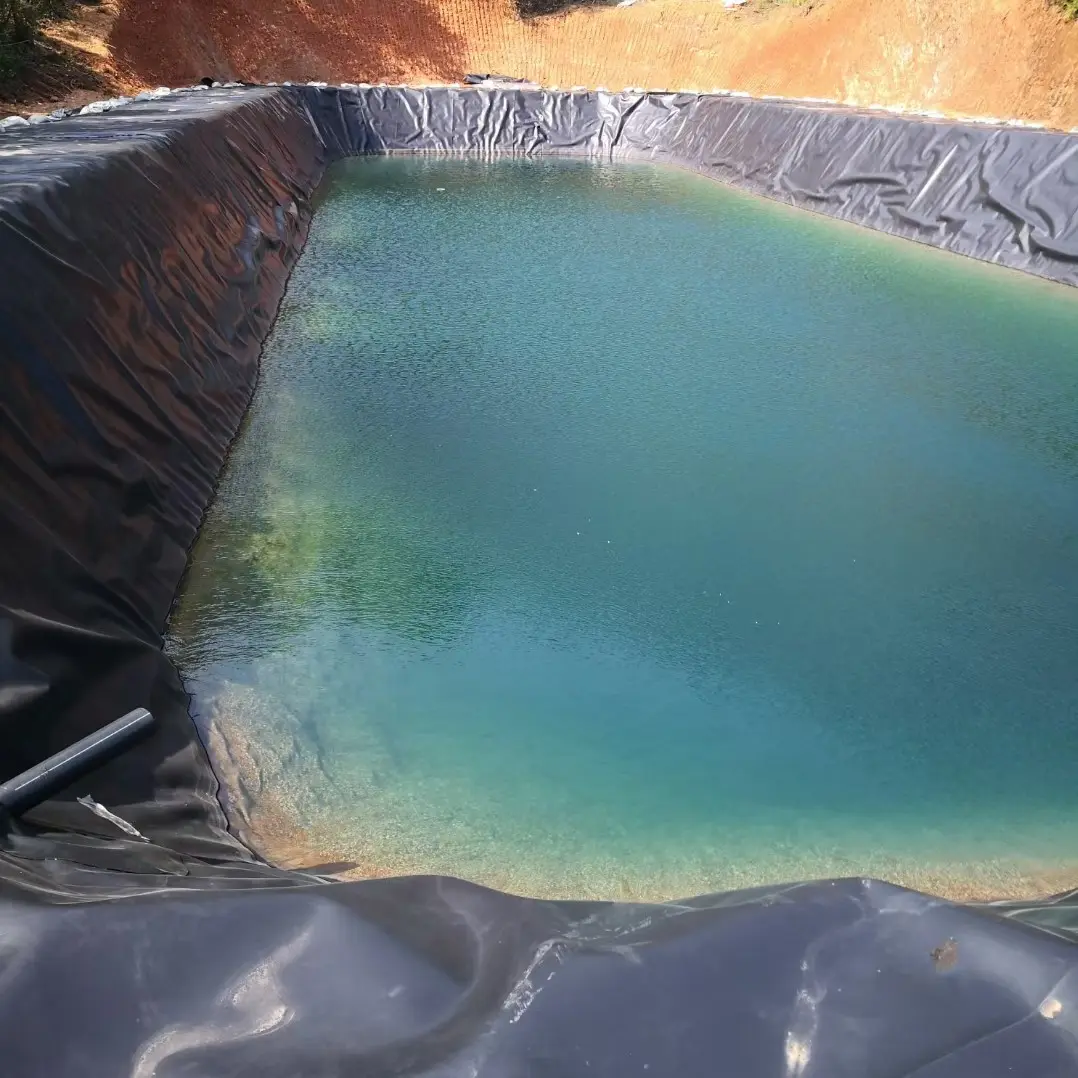
Anti-seepage systems for municipal landfills, biogas digesters, wastewater ponds, and industrial slag containment. Double-color geomembranes serve as reliable indicators to inspect damage during placement.
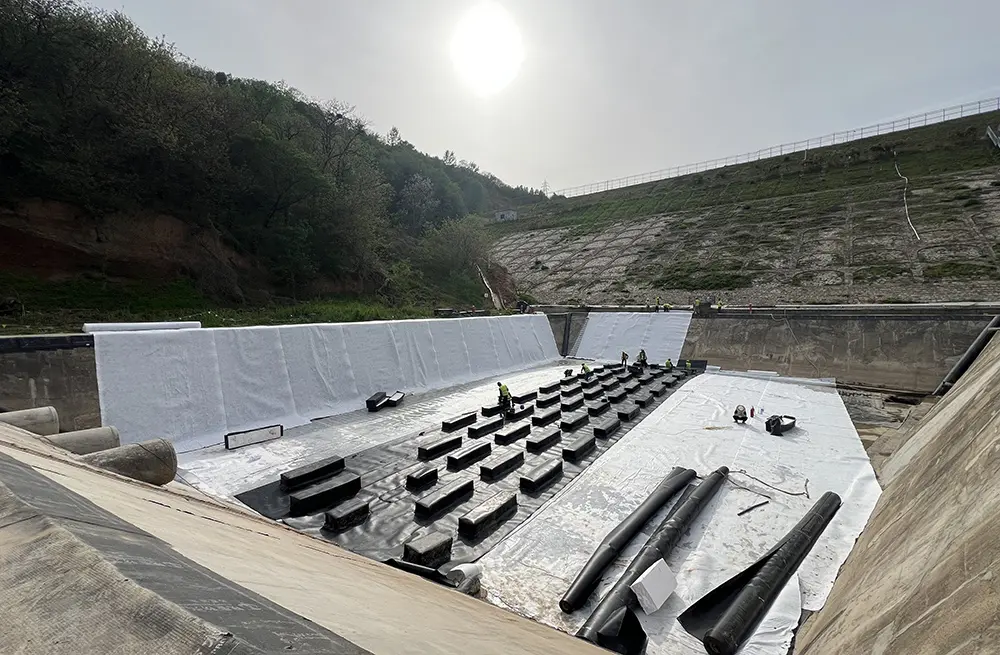
Reinforcement of riverbanks, canals, reservoirs, and agricultural breeding ponds. Needled filament geotextiles prevent soil erosion while allowing free water passage, maintaining hydraulic balance.
Soft soil stabilization using plastic geocells and high-modulus geogrids. These materials distribute structural wheel loads over a broader area, reducing long-term differential settlement.
Modern urban planning requires efficient runoff management to mitigate flood risks. The implementation of "Sponge City" design protocols relies heavily on high-performance drainage networks. Taian Changhong's siphonic drainage collection systems, waterproof boards, plastic blind drains, and flexible permeable pipes work in unison to capture, filter, redirect, and recharge groundwater reserves. These solutions prevent hydrostatic pressure buildup against retaining walls and sub-grade foundations, extending the service life of public assets.
At Changhong Engineering Materials, we work closely with design institutes, general contractors, municipal authorities, and trading partners worldwide. By aligning our custom manufacturing processes with site-specific geotechnical parameters, we ensure that project managers receive not just products, but verified engineering solutions. We pride ourselves on open technical communication, timely logistics, and comprehensive documentation to facilitate rapid regulatory approval on-site.
For high-load retaining applications, High-Density Polyethylene (HDPE) and high-tenacity Polyester (PET) are the preferred materials. HDPE geogrids and geocells offer excellent resistance to chemical attack and creep under heavy, sustained mechanical loads. Polypropylene (PP) is also widely utilized for subgrade reinforcement due to its high initial tensile modulus.
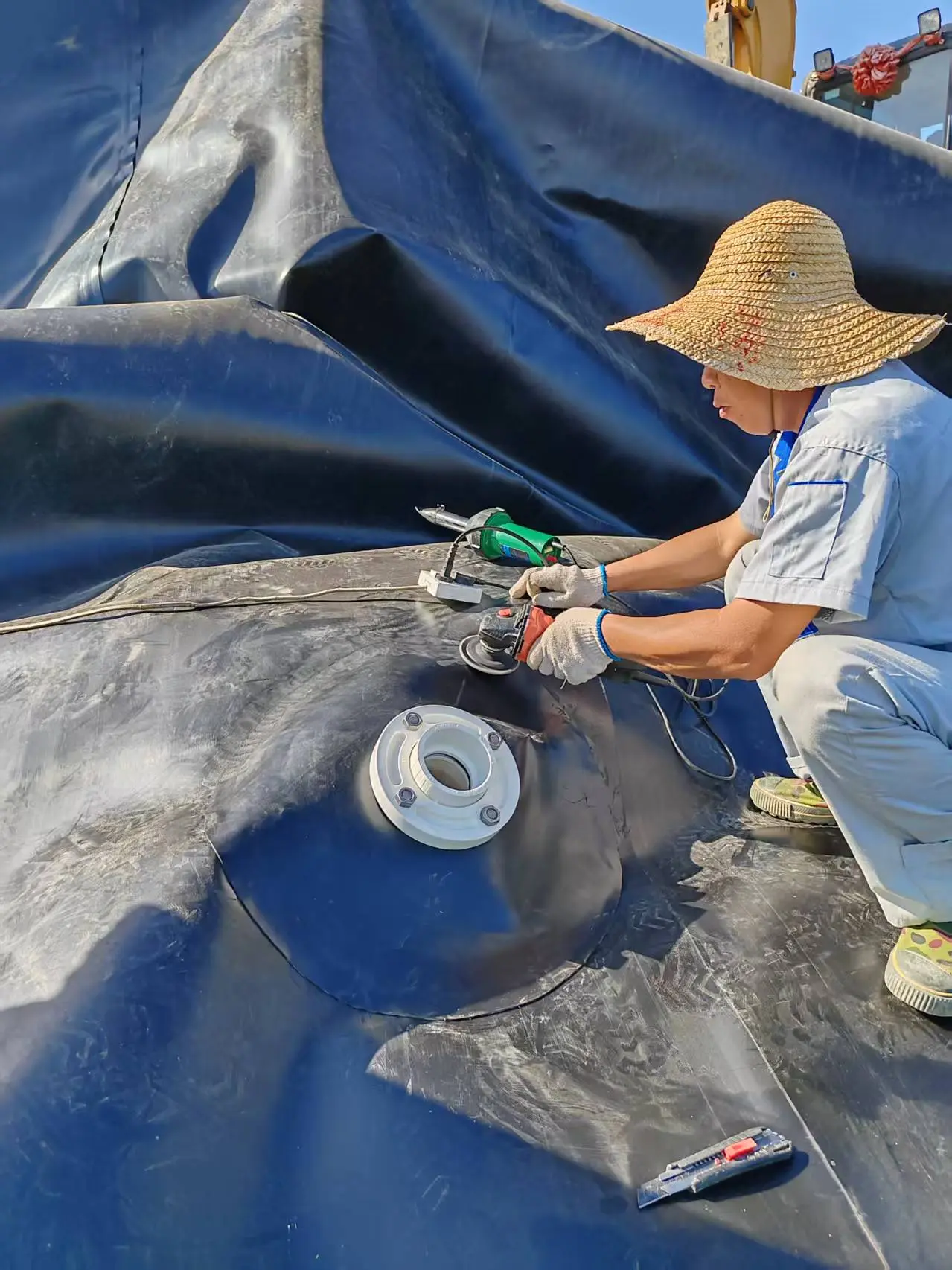
During production, geocells are welded using high-frequency ultrasonic welding to ensure the joint strength matches the parent material's tensile strength. In the field, geomembrane liners are welded using dual-track hot-wedge welding, which creates an air channel for pressure testing to confirm seam integrity.
Geosynthetics exposed to sunlight during construction or in permanent open installations can undergo photo-degradation. To prevent this, our formulations include high-quality carbon black (typically 2-3%) and chemical UV stabilizers, which absorb harmful radiation and prevent polymer chain scission.
Yes. As a direct manufacturer, Taian Changhong can customize aperture sizes, tensile strengths (both uniaxial and biaxial configurations), roll lengths, and widths. We can also adjust compound formulas to enhance chemical resistance, thermal stability, or flexibility.
Procurement teams should verify that the manufacturer holds ISO 9001 (Quality), ISO 14001 (Environmental), and ISO 45001/OHSAS 18001 (Safety) certifications. Additionally, the manufacturer's testing laboratory should align with ASTM, ISO, or GSI (Geosynthetic Institute) testing methods to ensure test data validity.
 Changhong