In the world of infrastructure, the demand for reliable solutions is ever-increasing. Plastic Drainage Pipes have emerged as a popular choice among global buyers. "The right drainage system is crucial for sustainable development," says Dr. Emily Carter, a renowned expert in civil engineering. Her insights reflect the growing need for durable and efficient drainage options.
As cities expand and climate challenges rise, the importance of selecting the best materials cannot be overstated. High-quality Plastic Drainage Pipes offer advantages in both performance and longevity. Factors like resistance to corrosion and easy installation make them an attractive alternative to traditional materials.
However, buyers should approach this choice with caution. Not all products are created equal. Some manufacturers may not meet industry standards. It's crucial for global buyers to conduct thorough research and select reputable suppliers. While Plastic Drainage Pipes can provide solutions, awareness of quality and sourcing is key to ensuring successful outcomes.
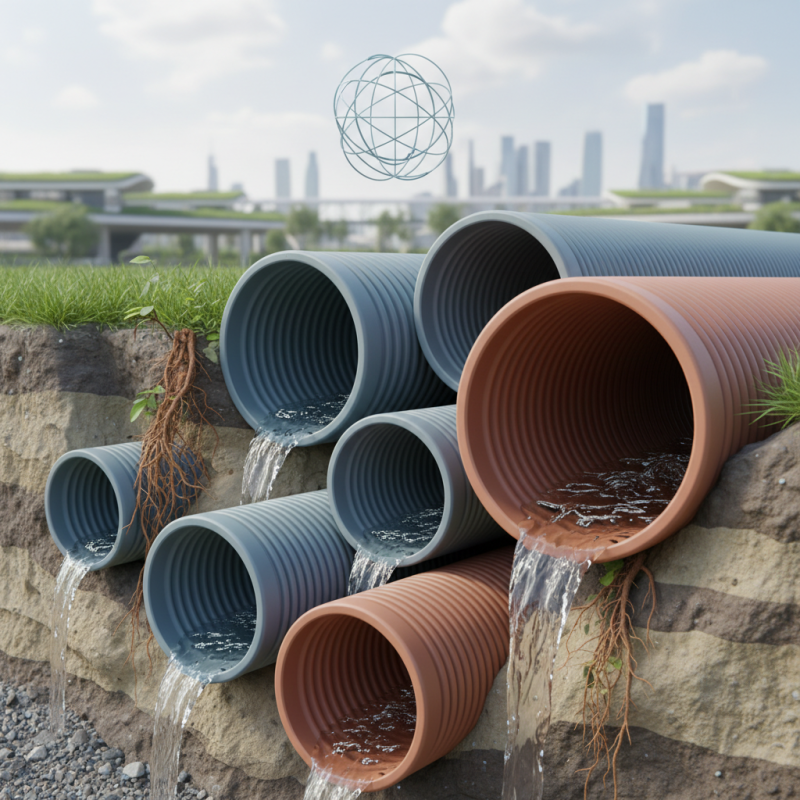
In 2026, plastic drainage pipes are becoming essential elements for infrastructure projects worldwide. These pipes, known for their lightweight nature, offer durability and ease of installation. Made from high-quality polymers, they resist corrosion and can handle various soil types. The demand for sustainable construction practices drives the popularity of these materials. Their long lifespan and recyclability make them a favorable choice for many buyers.
However, not all plastic pipes are created equal. Variability in manufacturing processes can impact product performance. Buyers should consider factors like strength, flexibility, and permeability when selecting pipes. Some products may not meet local regulations or environmental standards. Testing is crucial to ensure reliability in real-world conditions. While the market offers many options, careful evaluation is necessary to avoid subpar products that could lead to costly repairs.
In addition, market trends suggest a shift toward eco-friendly materials. This raises questions about the true sustainability of certain plastic pipes. Are manufacturers fully transparent about their environmental impact? Potential buyers need to investigate the source and composition of these pipes. Being informed can lead to better purchasing decisions in 2026 and beyond.
The manufacturing of plastic drainage pipes relies heavily on specific materials. Polyvinyl chloride (PVC) and high-density polyethylene (HDPE) are the dominant materials in this industry. According to a recent report by the Plastic Pipe and Fittings Association, PVC holds about 64% of the market share in North America. This statistic highlights PVC's durability and resistance to chemical corrosion, making it a popular choice.
HDPE, on the other hand, is valued for its flexibility and strength. It can withstand extreme temperatures and pressures, which is essential in various installations. An industry analysis by MarketsandMarkets indicates that the global HDPE pipe market is expected to reach $31.97 billion by 2025, growing at a CAGR of 5.8%. This growth suggests increased demand for reliable drainage solutions.
Recycled materials are also gaining traction, although they still represent a small fraction of the market. The challenge remains in ensuring the consistency and quality of recycled materials. Without stringent controls, variations can affect performance. Both PVC and HDPE come from fossil fuels, raising sustainability concerns. The industry must reflect on its environmental impact while balancing material performance.
When selecting drainage pipes, several key features warrant careful consideration. The material's durability is paramount. Plastic drainage pipes, typically made from PVC or HDPE, offer resistance to corrosion and chemical damage. Reports indicate that HDPE pipes can withstand extreme temperatures, making them suitable for diverse climates.
Another critical factor is the pipe's diameter. A larger diameter can handle higher flow rates. However, it may also occupy more physical space. For example, a 4-inch pipe can carry approximately 1,000 gallons per hour. This efficiency is essential for large projects. However, downsizing may be necessary in areas with limited space.
Installation ease is also significant. Lightweight materials simplify the handling process, reducing labor costs. Yet, improper installation can lead to long-term issues. Observing industry guidelines is crucial here. More than 20% of drainage failures stem from installation errors. Therefore, professional expertise should not be overlooked when making selections. Engaging with knowledgeable professionals can prevent costly mistakes and enhance overall project success.
As the global market for plastic drainage pipes evolves, various trends are emerging. One noticeable trend is the increasing demand for environmentally friendly materials. Buyers are increasingly seeking sustainable options that reduce carbon footprints. Many manufacturers are exploring innovative materials that are both durable and eco-friendly. This shift is reshaping product lines and influencing purchasing decisions.
In addition, advances in technology play a significant role in the development of plastic drainage pipes. Enhanced manufacturing processes lead to improved quality and performance. Consumers are becoming more knowledgeable about product specifications. They are looking for pipes that offer longer service life and improved resistance to harsh conditions. This increasing awareness is driving competition among suppliers.
Market research suggests that regional variations exist in preferences for plastic drainage pipes. Some areas prioritize cost-effectiveness, while others focus on quality. Countries with strict environmental regulations push for sustainable practices. Nonetheless, challenges remain. Not all manufacturers can adapt quickly, and some may struggle to meet new demands. The evolution of this market highlights the need for continuous adaptation and innovation.
Plastic drainage pipes are increasingly popular due to their lightweight nature and resilience. However, their sustainability is often questioned. The production of plastic pipes generates greenhouse gases, contributing to climate change. According to a study by the Green Building Council, plastic manufacturing results in significant CO2 emissions, making it essential to explore alternatives.
While using recycled plastics can mitigate some environmental impacts, the total lifespan of these products is still a concern. PVC and polyethylene pipes have a long-lasting lifecycle, often exceeding 50 years, which can balance the initial environmental cost. Yet, proper disposal remains a pressing issue, as improper handling leads to landfill overflow and pollution.
Tips: Consider using state-of-the-art technology for producing drainage systems. Look into innovative designs that enhance water flow while minimizing material usage. Always prioritize recycling options when selecting drainage solutions. Addressing these factors can help improve the overall sustainability of plastic drainage systems.
: Plastic drainage pipes, primarily made from PVC or HDPE, are popular due to their corrosion resistance.
A larger diameter allows for higher flow rates but requires more space. For example, a 4-inch pipe can handle 1,000 gallons per hour.
Proper installation is crucial. Over 20% of failures result from mistakes during installation. Always follow industry guidelines.
Lightweight materials ease handling and reduce labor costs, but ensure proper installation to avoid future issues.
There is rising demand for eco-friendly materials and durable, quality products. This trend reflects buyers’ growing environmental awareness.
Some regions prioritize cost, while others focus on quality. Environmental regulations influence these preferences significantly.
Advancements in technology improve manufacturing quality, leading to better product performance and longer service life.
Many manufacturers struggle to keep up with evolving preferences and regulations, highlighting a need for innovation.
Ignoring installation guidelines and failing to consider local regulations can lead to project challenges.
Experts can provide valuable insights, preventing costly errors and enhancing project success through informed selections.
The article titled "2026 Best Plastic Drainage Pipe Options for Global Buyers?" provides a comprehensive overview of the advancements and trends in plastic drainage pipes for the year 2026. It outlines the various materials commonly used in their manufacturing, highlighting the importance of selecting the right type for specific applications. Key features such as durability, resistance to corrosion, and ease of installation are emphasized as critical considerations for buyers.
Additionally, the article explores the global markets for plastic drainage pipes, noting emerging trends and increased demand driven by infrastructure development and environmental sustainability concerns. The discussion includes the sustainability and environmental impact of these solutions, showcasing how innovative plastic drainage pipes can contribute positively to ecological goals while meeting the needs of modern drainage systems.

Changhong